


Tiny Brown Bug
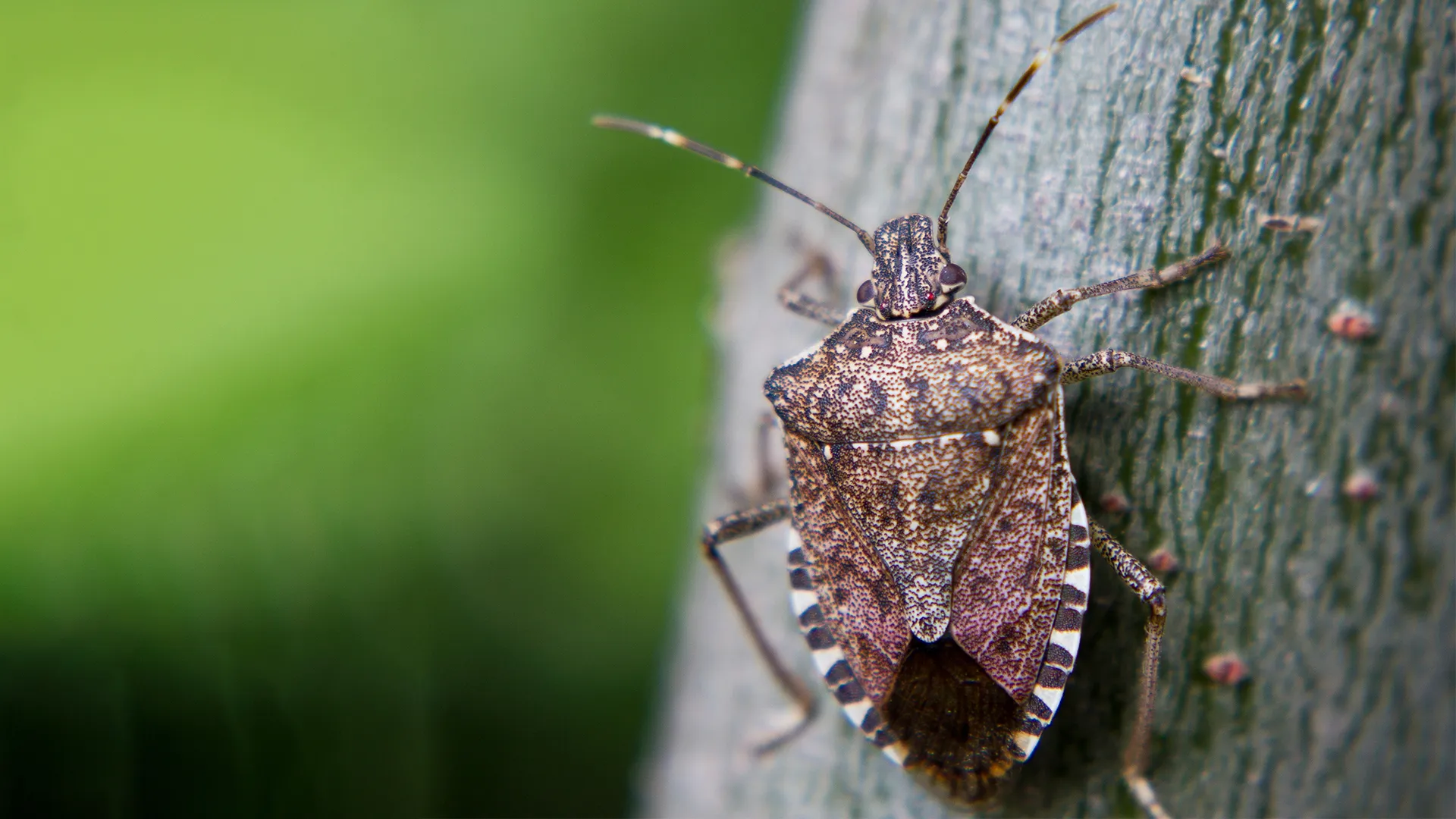
Insects can be difficult to spot, especially if you’re in a wooded area or near the garden. They blend in with their surroundings, and this brown bug is like that. However, that’s what you have to look for when you’re outside!
Tiny Brown Bug
Shield-like Body
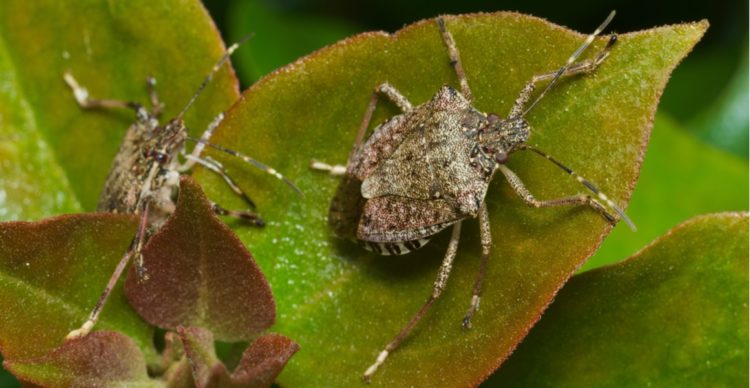
Experts warn people to be aware of their surroundings when outside. This tiny brown bug could be in your yard. It features a body like a medieval shield and six long legs. However, it’s only 0.7 inches long as an adult!
Shield-like Body
Small But Not Harmless
Though the brown bugs are fairly tiny, they can cause problems if they’re left undetected. Therefore, people have to be vigilant. These bugs feature wings and can even walk, so they could easily end up in your home!
Small But Not Harmless
Find Ways into Your Home
Their wings shouldn’t be taken lightly. If they wanted, they could fly up and get into your house through walls, curtains, and cracks. Therefore, you must be aware of them in your yard or around your property!
Find Ways into Your Home
Brown Marmorated Stink Bug
Homeowners should know which insects are in the yard, and that’s especially true when you focus on the brown marmorated stink bug. Its technical name is Halyomorpha halys, which is a horrible name, though it fits. This bug wants to infest your gardens and homes.
Brown Marmorated Stink Bug
Accidentally Introduced to the US in 1998
The stink bug was actually located in Korea, Japan, China, and Asia initially. However, those in Allentown, Pennsylvania, spotted it in 1998. Scientists think that it was brought over in shipping crates, and it’s now a huge pain for those in the Eastern United States!
Max Barclay Explains
Max Barclay is the expert who backtracked the bug’s origins. Now, he thinks he knows how it got to the US through many countries. He works on the Coleoptera collection within the National History Museum, and he believes it first went to the United Kingdom.
Max Barclay Explains
Predicted Arrival for 2014
Barclay said in 2014 that he believed the brown marmorated stink bug would end up traveling east to Britain, and that happened! It was first spotted in 2020 within the gardens of the Natural History Museum.
Predicted Arrival for 2014
Shipping Crates, Pallets, and Packages
Sadly, his prediction followed news that these stink bugs did arrive and never left. They can establish themselves in a new location quickly and move indoors for the winter. Therefore, you might bring them inside through pallets, shipping crates, and packages.
Shipping Crates, Pallets, and Packages
Thriving in Warm Weather
These insects don’t do well in the cold, so they head to shipping crates and other warm spaces during the winter. This phase is called diapause. Whenever the cold weather ends, they come out in full force, thriving in the hot summer sun.
Thriving in Warm Weather
Climate Change Helps
Climate change is the notion that the earth will get warmer as each year passes. If that’s true, we could have a stink bug invasion on our hands. Research has predicted the bug would be in Switzerland during the 2010s, and that happened, as well.
Climate Change Helps
Hitching a Ride
The International Biometeorology Journal was correct in its research. The Journal claimed that Switzerland saw high stink bug populations in 2017, and there was significant crop damage. Now, the temperatures are set to increase more!
Hitching a Ride
Bad News for All
Dr. Haye also claims that there’s significant evidence that the species are modifying their habits because of climate change. This man works for the Center of Agriculture and claims that the non-native bugs will increase because of the warm weather!
Bad News for All
Not Safe Anywhere
In the paper he wrote, Dr. Haye said that the stink bugs were likely to infest the foothills of the Alps when they headed south. Then, even higher latitudes would fall to their infestation because climate change would continue warming things.
Not Safe Anywhere
Thousands of Bugs
The paper suggested that it would be a matter of time before the stink bug population got out of hand. Therefore, you should be watching for them in your yard and home so that you don’t end up with a massive infestation.
North Carolina and Pennsylvania
In the United States, these bugs didn’t come here until 1998. They started in Pennsylvania, working their way into Virginia and New Jersey by 2004. Now, North Carolina has seen these pesky insects, and that’s not even all!
North Carolina and Pennsylvania
Many States and Years Later
Unfortunately, those stink bugs didn’t stay on the eastern coastline. They have now infected about 44 states total, and there are only six to go. Plus, it only took them about 25 years to go that far!
Many States and Years Later
Cilantro and Almonds
Stink bugs got their name because they release an odor. Some claim that it smells like the cilantro leaves, but others think it’s like almonds. If you smell either of them in your garden, it could be an issue if you don’t grow them.
Cilantro and Almonds
Can’t Get Rid of Them
There’s no way to eliminate the invasive species, but it is possible to contain your problem. Barclay believes that stink bugs establish their homes quickly. You may only notice one or two, but they’re simply everywhere!
Can’t Get Rid of Them
Contain the Pest
Without a long-term solution to eliminate these stink bugs, you may wonder what to do. There are methods out there, and they are relatively easy to utilize. Therefore, if you see shield-shaped bugs in your yard, continue reading for some tips!
Contain the Pest
Remove Obstructions and Weeds
The first thing people should do if they notice the tiny brown bugs is to get rid of the weeds in the garden. Stink bugs prefer to hide in them, but they’ll choose other things that offer camouflage. Therefore, you should also remove your lawn ornaments.
Remove Obstructions and Weeds
Homemade Repellant
You can also try using a homemade bug repellent to keep them away. It’s best to use a couple of gallons of water, a kaolin clay solution, and about 15 milliliters of your favorite dish soap. Mix everything, put it in your spray bottle, and spray everything!
Won’t Harm Plants
These stink bugs don’t eat the leaves and crops, and they won’t touch whatever is sprayed with that mixture. Plus, they can’t lay eggs. The repellent mixture won’t hurt your pets or produce, but you should rinse everything before consuming.
Won’t Harm Plants
Trap Plants
Stink bugs prefer yellow flowers, such as sunflowers. Therefore, it’s best to make your trap plant with them. However, it’s not like the Venus Flytrap you’re used to. Instead, you’re using the bright flora to guide bugs away from parts of your property.
Trap Plants
Away from Everything Else
If you want the trap to work effectively, you should plant some yellow flowers in other areas of your yard, making sure they’re far away from crops and things you wish to keep. The stink bugs will go there, and you can spray and kill them.
Away from Everything Else
Dispose of Your Trap Plant
As stink bugs congregate around that trap plant, you will have to decide what to do with them. Some people do nothing, allowing the animals and birds to kill them. However, that’s pretty time-consuming.
Dispose of Your Trap Plant
Use Plastic
Though the ‘do nothing’ aspect might work, you might try to wait until many stink bugs are on the trap plant. Then, simply dig the flower up, put it in a large garbage bag, and wait for a while. Close it tightly and let the sun’s heat kill all your bugs.
Use Plastic
Love Fruits and Vegetables
The smell from these bugs is only one part of the problem. The insects love garden treats, such as vegetables and fruit. Therefore, they could kill your crop if you do nothing about them.
Love Fruits and Vegetables
Ruined Countless Apples
Farmers lost a crop of $40 million in apples in 2010 because they didn’t realize they had a stink bug infestation in time. Those insects left ugly brown stains wherever they ate, though they didn’t go to the core. Plus, they enjoy wine supplies and grapes.
Ruined Countless Apples
Sealants for Your Home
If you hope to protect your house from stink bugs, the defense requirements are different. You should ensure that all openings to your home are sealed with a sealant. Stink bugs won’t creep inside and do damage.
Sealants for Your Home
Use a Vacuum Cleaner
Sometimes, the sealant isn’t enough, so you might find stink bugs in your house. If that happens, you can simply suck up the ones you find with a vacuum cleaner. Toss out the full bag so that the odor doesn’t get into the home.
Use a Vacuum Cleaner
Shut off the Lights
Stink bugs are generally attracted to the light, so make sure you don’t have a brightly lit outdoors. In the evenings, turn off your porch lights whenever you’re home. Plus, keep the blinds pulled down, which means they can’t see it from outside.
Shut off the Lights
Reduce Moisture
Homeowners can often prevent stink bug infestations if they find moisture build-up and eliminate it. These pests require a water source, so make sure you check around the property for clogged drains and leaks.
Reduce Moisture
No Food Source
Stink bugs have to eat, and they’re not particular. Therefore, you should store food in an airtight container. Make sure there’s a lid on your trash can, disposing of the contents quickly and in sealed receptacles outside.
No Food Source
Check Belongings
When you receive packages in boxes, inspect everything, preferably outside. This includes holiday decorations from the attic, grocery bags from stores, and anything you get from online shopping.
Check Belongings
Don’t Squash Them
Most people instantly think about killing stink bugs quickly. Instead of grabbing a shoe, it’s wise to hold off. If you disturb or crush these bugs, they’ll release their foul odor. Instead, vacuum them up to get them out of your home.
Don’t Squash Them
Landscaping
It’s important to keep landscaping trimmed well, such as branches and shrubs. Those who require firewood should keep it about 20 feet from the home and ensure that it’s raised about 5 inches off the ground so that bugs don’t make it their home.
Landscaping
Ventilation
Make sure that you have proper ventilation in your attic, crawl spaces, garages, and basements so that there are fewer harborage points. You might also run a dehumidifier in those areas or use screens for chimney and attic vents.
Ventilation
Inside Traps
If you notice stink bugs in your house, make a trap for them as you did outside. Simply fill your spray bottle with water, dish soap, and vinegar, spraying the insects directly. They will die without producing the smell, and you can vacuum them up easily.
Inside Traps
Be Careful
Whether you use homemade bug repellent, trap flowers, weeding, or vacuuming, you want to get rid of these stink bugs easily. Make sure you check your property periodically for this pest so that it won’t infest your home!
Be Careful