


Anybody who has visited the Medieval Times restaurant franchise or attended a Renaissance Fair might think they know about dietary habits of people living in medieval times, but most likely, they’ve been misled. medieval food and eating habits were different from what you’d expect. Here is what both nobility and common folk would eat.
Medieval Almond Milk
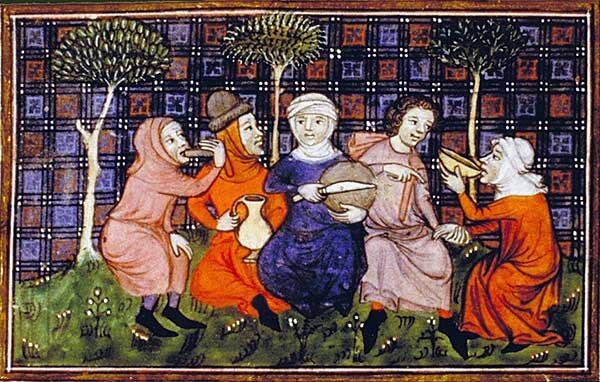
Vegans and hipsters might try to tell you they invented alt milks like almond milk, but in fact, almost milk was very common in medieval times. During fast days declared by the Church, people could not drink milk or eat meat, so they used almond or walnut milk instead. It was also great because it did not spoil like cow’s milk and was even used to make butter.
Medieval Almond Milk
Medieval Fast Food
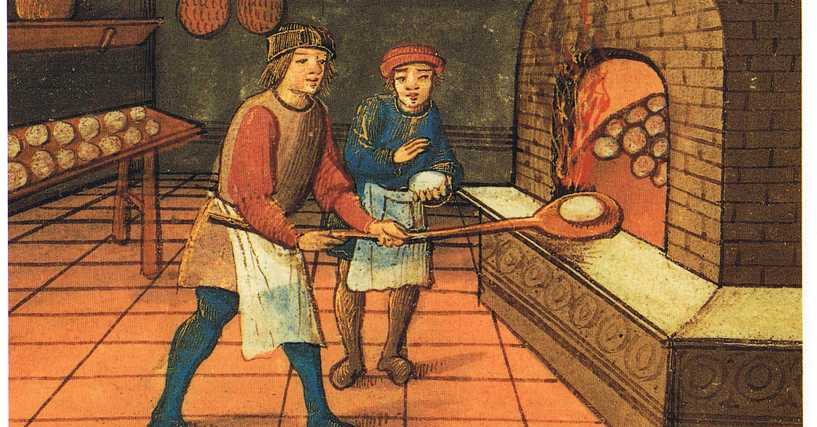
While our concept of fast food and drive-thrus were not around in medieval times, they was a form of fast food back then. People would eat hotcakes, pancakes, meat pies, and wafers that were made for “immediate consumption.” Places that sold these even had bad reputations mainly for the alleged poor quality of the meat being served.
Medieval Fast Food
Peasants Consumed Lots of Bread
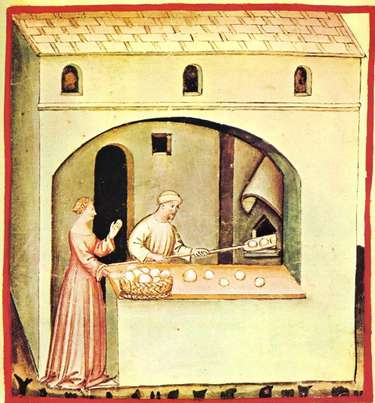
A majority of people living in medieval Europe consumed about 2-3 pounds of grains and bread per day! Grains included oats, eye, wheat, and barley, and were often used to made porridge and bread. Most people ate peas, lentils, and fish as their main source of protein, as chicken and meat were more of a luxury.
Peasants Consumed Lots Of Bread
Raw Fruits & Veggies Were Not Trustworthy
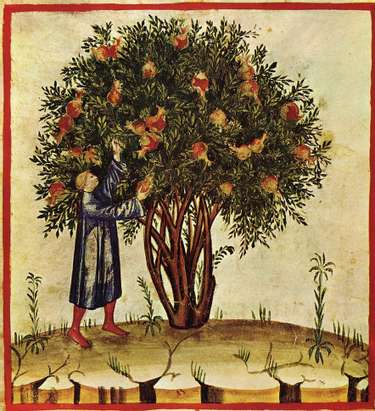
According to The British Library Board: “All fruit and vegetables were cooked - it was believed that raw fruit and vegetables caused disease.” This is because most raw ingredients like these were deemed unsafe. The Boke of Kervyne (The Book of Carving) from 1500 stated: “Beware of green sallettes and rawe fruytes for they wyll make your soverayne seke.” Raw fruits and vegetables could easily make people sick.
Raw Fruits & Veggies Were Not Trustworthy
Suckling Pig Was A Delicacy
While thinking of medieval feasts, images of entire roasted pigs and boars might come up, and this is because people actually did eat roasted pig, as the animal was considered one of the most important sources of meat and fat. Suckling pig was especially highly regarded.
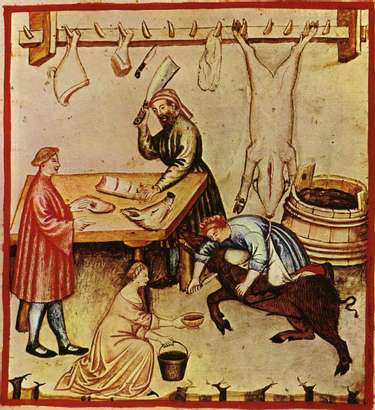
Suckling Pig Was A Delicacy
Medieval Breakfast Was For Laborers & Gluttons
According to priest Thomas Aquinas, eating too early in the day was a fantastic way to commit the deadly sin of gluttony. It was generally advised to skip breakfast, have a light midday dinner and a late and hearty supper. Laborers commonly had something small for breakfast so they could have some energy to get them through the day until lunch time.
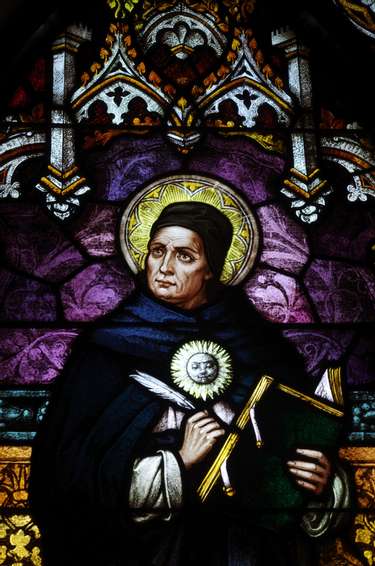
Medieval Breakfast Was For Laborers & Gluttons
People Ate What They Could
Meat was not readily available, especially for the peasants. However, the rich were not particular about what kind of meat they would eat, since it was all difficult to get ahold of. According to records from the time, the wealthy would dine on “starlings, vultures, gulls, herons, cormorants, swans, cranes, peacocks, capons, chickens, dogfish, porpoises, seals, whale, haddock, hedgehogs, cod, salmon, sardines, lamprey eels, crayfish, and oysters.”
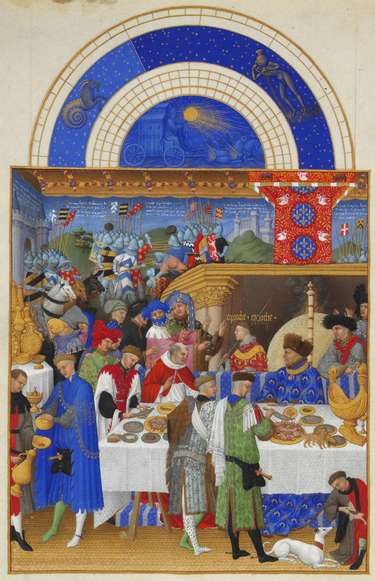
People Ate What They Could
“Umble Pie” Was A Christmas Dinner Staple
Just like today, Christmas dinner was an important meal, and back then people would eat a variety of birds. Wealthy people ate woodcock, goose, and swan. Common folk would eat geese, but they would typically spend an entire day’s wages to pay for it. Everyone would also eat “umble pie” which was made of deer entrails.
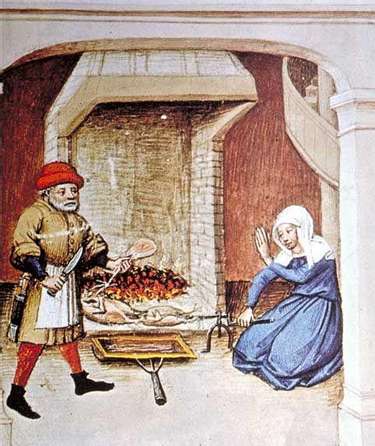
Umble Pie Was A Christmas Dinner Staple
Beans Were A Game-Changer
Italian medievalist Umberto Eco explained that the “cultivation of legumes began to spread” during the 10th century, and it really changed everything. He said: “Working people were able to eat more protein; as a result, they became more robust, lived longer, created more children and repopulated a continent.” That led to the doubling of the European population.
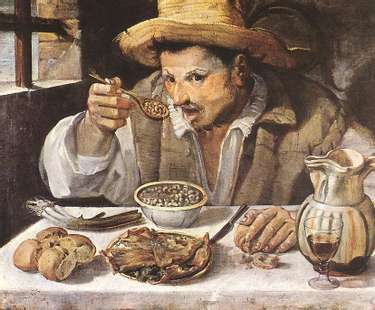
Beans Were A Game-Changer
Baking Was Serious Business
Baking and consuming bread was critically important, so much so that baking guilds became very powerful. These were somewhat of a cross between a union and the mafia. Bakers who were part of a guild paid dues that served as a kind of insurance. Family recipes were fiercely guarded by the guilds in order to prevent stolen family recipes.
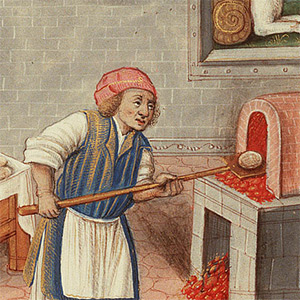
Baking Was Serious Business
Dessert Was Eaten Throughout The Meal
While we’re used to saving dessert for last, for those who were lucky enough to enjoy desserts in medieval times, this was not the case. Several dishes were served at one time, and dessert was often served in between in order to cleanse the palate between courses.
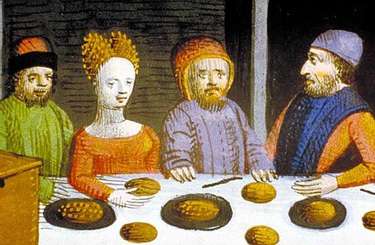
Dessert Was Eaten Throughout The Meal
Richard III Ate Like The Rich
King Richard III, the last Plantagenet king of England, enjoyed the life of a royal up until he died in 1485 during the War of the Roses. Archeologists analyzed his remains in 2014 and found that his diet was consistent with the wealthy elite, and he likely ate lots of wildfowl and fresh water fish, and of course washed it all down with plenty of wine.
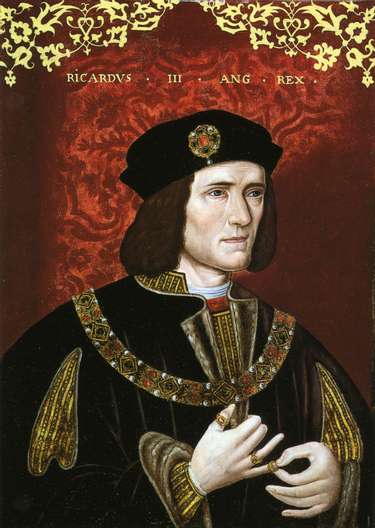
Richard III Ate Like The Rich
Heart Healthier Than Today
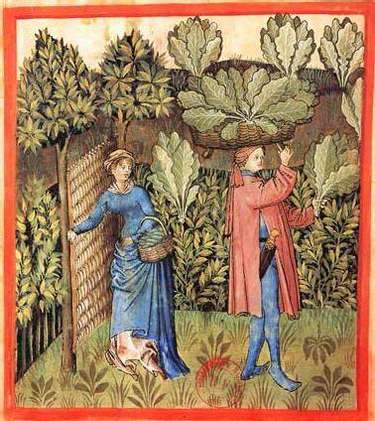
While modern medicine was still hundreds of years away, so was the introduction of highly processed foods. That meant that by accident or not, the medieval diet was actually a lot more heart healthy than the average diet today. It’s mainly because they did not consume refined sugar like we do, and daily labor meant they were exercising plenty.
Heart Healthier Than Today
Edible “Warning” Sculptures
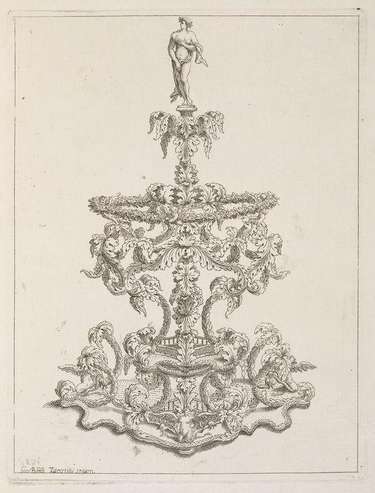
So what was a glorious medieval feast like? Well, before the meal, guests would be treated to edible sculptures made out of sugar and marzipan. They were called “warners” as they would signal that the meal was about to begin. These displays, called “subtleties,” were quite entertaining and would be in the shape of exotic birds and animals, coats of arms, and even people. They would sometimes be accompanies by a song, play, or poem.
Edible Warning Sculptures
Peacocks Adorned Tables
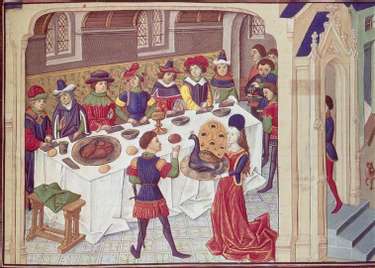
Though this might seem like overkill today, back then people would cooked and reattach peacock’s plumage in order to adorn the feast tables. They skin and feathers were removed before the bird was cooked, and then they would be reattached. Sometimes gold leaf was also added.
Peacocks Adorned Tables
Meat-Filled Feasts
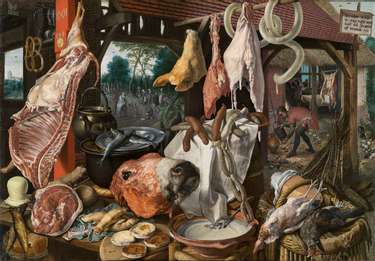
Back then, it was common for wealthy people to consume any and all types of meat, which included rabbits, cows, sheep, deep, pigs, goats, fowls, and boars. Sometimes they would even eat porcupines and hedgehogs. A sample menu for a banquet could include 12 pigeons, 12 chickens, six rabbits, two herons, a pig, a deer, a sturgeon, and a kid goat — and that was just three of the six courses!
Meat Filled Feasts
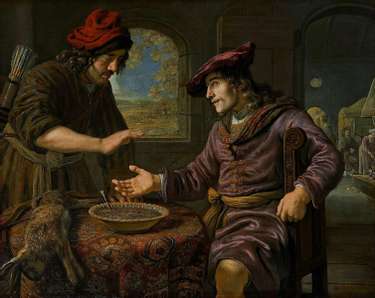
Pottage Stew Was A Staple
Pottage stew was a mainstay of medieval diets and would typically make an appearance at banquets as well, usually as the first course. Pottage stew was made of grains, egg yolks, bits of meat, and seasonal vegetables. These would all be boiled together for many hours until it all melded together. It was usually served with bread and ale of wine.
Pottage Stew Was A Staple
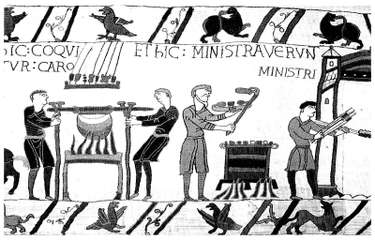
Spices Were For the Wealthy
Back then, usage of spices was reserved for the wealthy only, as it was quite difficult and costly to import spices. Some of the spices used in European medieval times included saffron, nutmeg, ginger, cinnamon, and cloves. These were brought from Asia and the Middle East, and only the very rich could usually afford these. A pound of saffron could cost as much as a horse! Salt was also a prized possession.
Spices Were For The Wealthy
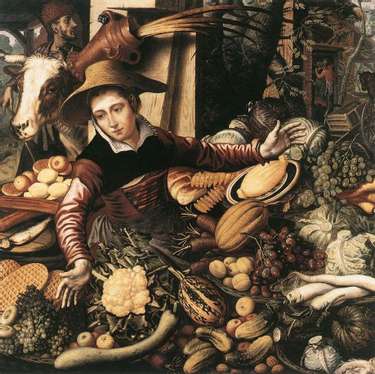
Cooked Fruits & Vegetables
Since raw fruits and vegetables could make people sick, they were thoroughly cooked before they were consumed. It was pretty common to cook fruits with meat, fish, and eggs. Interestingly, vegetables were more commonly consumed by the working class, as the elites considered them to be associated with the lower class.
Cooked Fruits & Vegetables
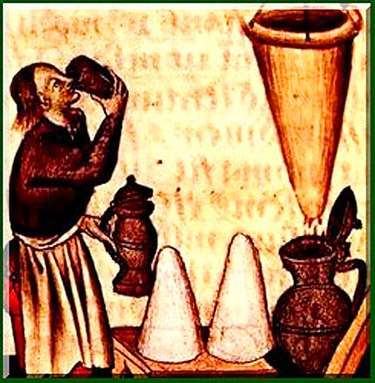
Nobles Loved Honeyed Mead And Hippocras
Alcohol was very commonplace at the noble dining table. Low-percentage alcohol ale would be served at breakfast. Wine was drunk by the upper classes and was served in jugs. Since honey was a luxury, honeyed mead made form fermented honey and water, was enjoyed by the upper class and was consumed with fruits and spices. They also enjoyed Hippocras, a spiced wine made with cinnamon, ginger, and cloves.
Nobles Loved Honeyed Mead And Hippocras
Natural Food Dyes
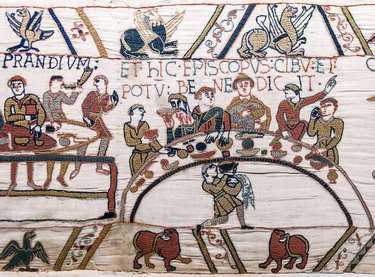
Cooks working for the upper class came up with clever ways to color food by using natural food dyes. Saffron and egg yolks were used to create bright yellow, sandalwood would be used to create red, and blood was boiled to create black. In Germany, columbine flowers were used to create blue coloring.
Natural Food Dyes
Bread Plates
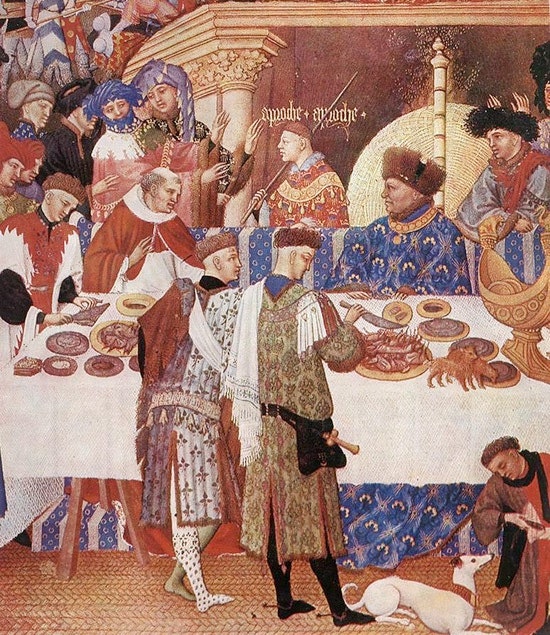
Forks would not be introduced for a while, and so any food that could not be consumed with a spoon was served on a “trencher,” which was a piece of coarse and dry bread. They were basically pieces of hard and stale bread that was about 3 days old. The lower class who could not afford trenchers would often eat right off the table.
Bread Plates
Candied Fruits and Jellies
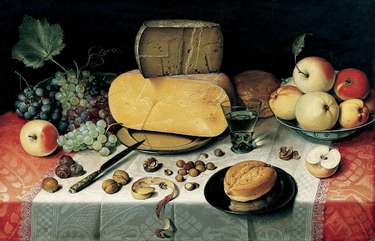
A dedicated dessert course was not typical in medieval banquets. Meats, fish, and cheeses were served alongside sweets and candied confections. Fruits were especially highly regarded and honey or sugar coated pears were popular. Sweet pottages adorned with flower petals and animal-shaped jellies were favorites.
Candied Fruits And Jellies
Seasonal Menus
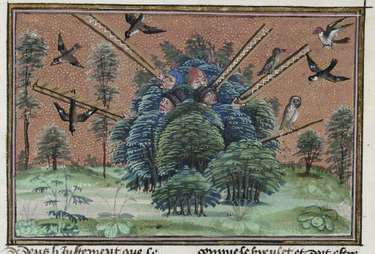
While now seasonal menus are very trendy, in medieval times they were a necessity. They were closely linked to health and wellbeing, as people would eat within the annual boundaries. In warmer months, people avoided foods that made them warm. In winter, rich foods that kept you warm were preferred.
Seasonal Menus
Lives Animals In The Food?
People would pull pranks on one another in the most unusual way: by using live animals inside of food. It was common to bake birds right into pies and startle guests when they cut into them. Another trick was using colored, live lobsters mixed in with booked ones or serving a dish of squirming eels in order to shock guests.
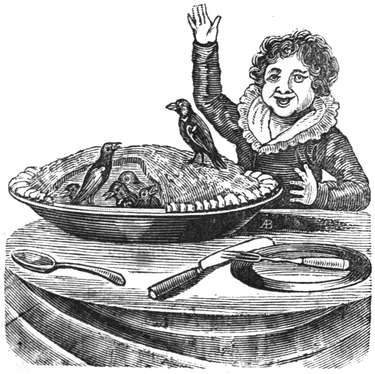
Lives Animals In The Food?
Fish Dishes For Fast Days
As there were many days of fasting that meant no meat, dairy, or eggs could be consumed, people had to get creative. This is why fish was very popular, but the definition of fish extended past what we think of today to include whale meat, purpose, beaver tale, and barnacle goose. Cooks would come up with creative ways to make fish more exciting and more meat-like.
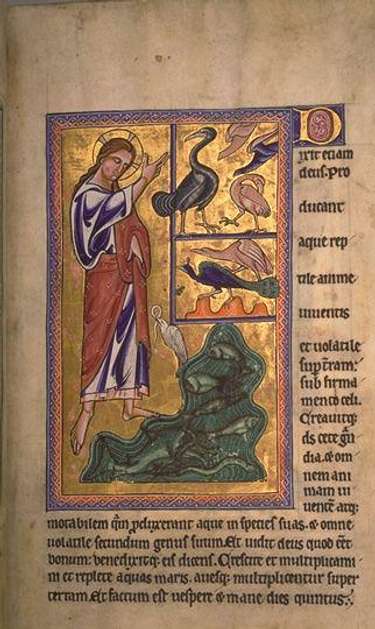
Fish Dishes For Fast Days
Pretty Health Conscious
Despite what many people believe today, people living in medieval times were surprisingly health conscious, especially the upper class. Back then they believed in the four humors (blood, phlegm, black bile, and yellow bile) that needed to be kept balanced. They believed that eating in the right order was necessary in order to keep everything in balance.
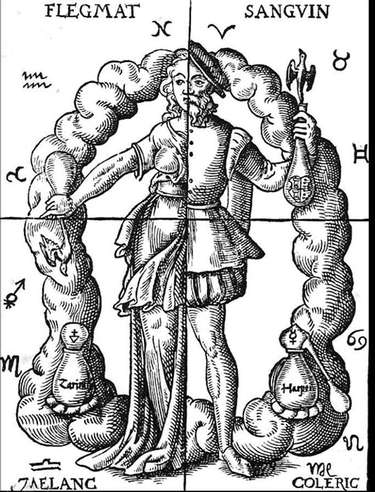
Pretty Health Conscious
Feast of Fools
Medieval Christians knew how to party, despite condemnations from the Catholic Church that condemned obscenity, blasphemy, and drunkenness. One festival in particular, the Feast of Fools, was especially rowdy and was incredibly popular for centuries. Here’s what the Feast of Fools would look like.
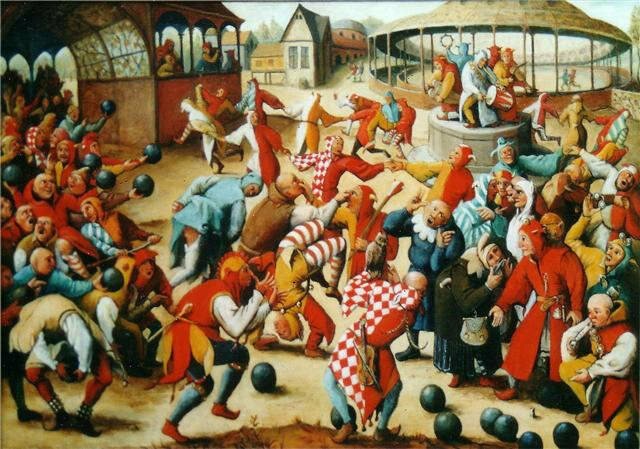
Feast Of Fools
Crossdressing Tricks
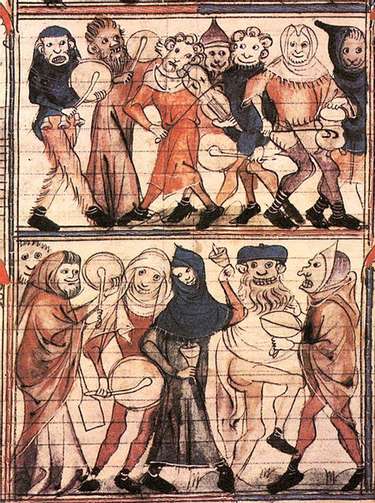
A concept that was especially celebrated during the Feast of Fools was inversion. That meant those on the lower rungs of social hierarchy could enjoy feeling like the upper class for a day. Students would parody teachers, rulers, and clergymen. Men would dress as women, and women would dress as men. This would accompany a lot of dancing, singing, and of course, drinking.
Crossdressing Tricks
Monks Gone Wild
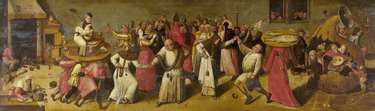
The Feast of Fools was all about breaking the rules, and that gave monks and nuns a chance to let loose once a year. A lot of the festivities actually took place in churches. It is not surprising that those who spent the majority of their lives being pious would love to take advantage of one day of partaking in usually forbidden behavior.
Monks Gone Wild
Banning Masks
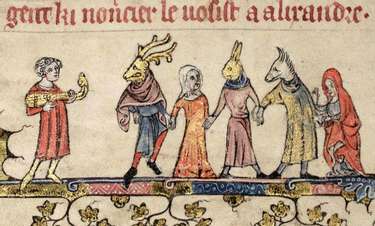
Despite the fact that the Feast of Fools was a huge party with no rules, people still chose to wear masks in order to hide their identities. That meant that they let themselves act even crazier, including singing obscene songs and throwing dice in churches. The Church realized that masks let people act more rowdy, so they decided to ban masks during celebrations.
Banning Masks
Ultimately Banned
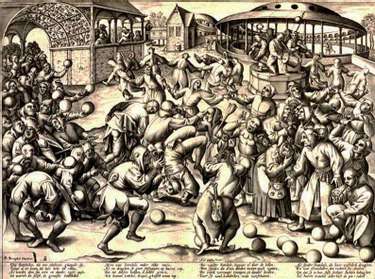
Eventually, the Catholic Church felt that the Feat of Fools grew so extravagant that it became blasphemous. It was quite difficult for the Church to completely ban the wildly popular celebrations, but that did not stop them from trying. They officially banned the party in the 1400s, but it would take a least another century for the parties to stop.
Ultimately Banned
Legal Gambling
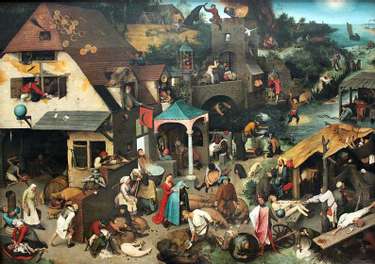
During the Feast of Fools, rules were set aside for a day, which allowed people to partake in gambling legally. One scholar explained that: “There were no regulations: on this day, people were permitted to do everything that was forbidden during the rest of the year.”
Legal Gambling
Post Christmas Partying
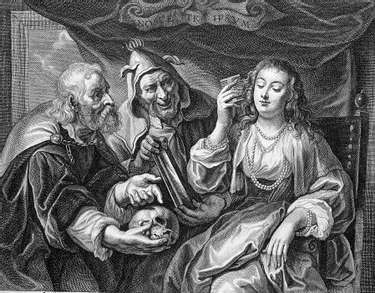
Back then, Christmas involved a lot of fasting and solemnity. The month before Christmas was spent fasting in order to observe Advent. Worshippers would spend Christmas day attending three masses. Perhaps all of this devout activity meant that people were ready to go wild and have a bit of fun at the Feast of Fools.
Post Christmas Partying
Ironically Started By The Church
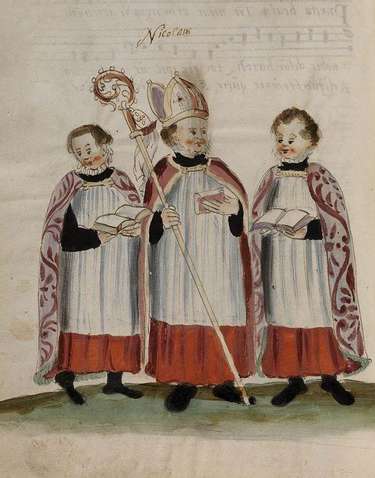
Even though the Catholic Church would go on to ban the festivities, the Feast of Fools was actually most likely started by the Church itself. Its original purpose was meant to bring to life the verse in Matthew 20:16 “the last will be first, and the first will be last.” It started with the lowest clergyman switching places with the bishop for a day. The “boy bishop” was marched through town. Things eventually spiraled from there.
Ironically Started By The Church
Boy Bishops Abusing Power
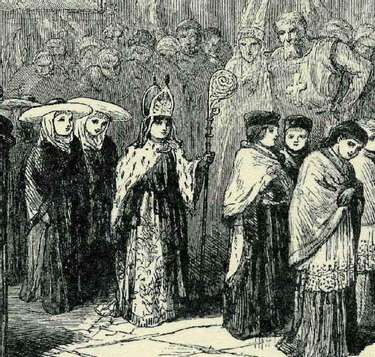
The boy bishop would wear the real bishop’s robes, miter, and ring. He would then recite nonsensical prayers and asked for donations. This eventually devolved into drinking in the church and obscene songs. This led to the out of control Feast of Fools parties. Many times, the boy bishops would wear masks to hide their identities.
Boy Bishops Abusing Power
Song About A Donkey
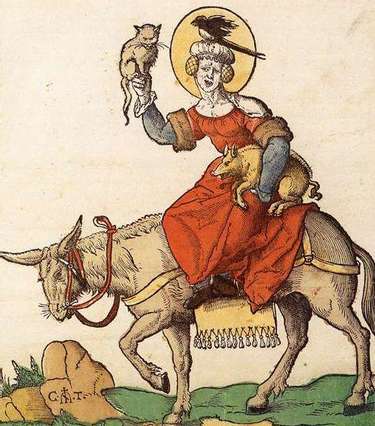
A song that was typically sung at the Feast of Fools was called “a song of the ass,” which was about a donkey crossing the Jordan River to get to Bethlehem. Often, people would led a live donkey into a church while singing the song, which would usually cause more chaos.
Song About A Donkey
Appeared In Disney’s Hunchback of Notre Dame
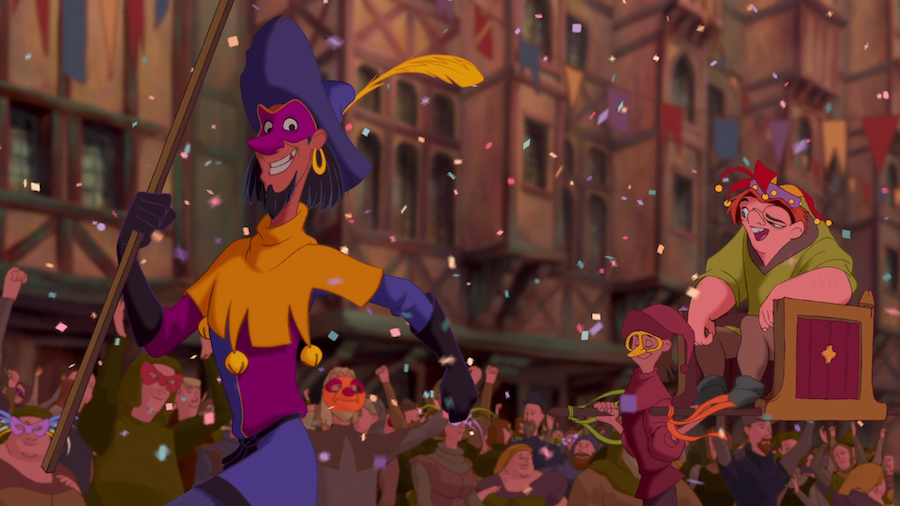
Victor Hugo included the Feast of Fools in his 19th century classic novel The Hunchback of Notre Dame, where Quasimodo was crowned the King of Fools. The Disney animated film also featured this scene, but the name of the festival was changed to “Topsy Turvy Day.” As the song says: “It’s the day for breaking rules, Come and join the feast of Fools!” And just like the medieval Feast of Fools, the Disney song celebrates turning life upside down and making every man a king and every king a clown. “It’s the day the devil in us gets released, It’s the day we mock the prig and shock the priest.”
Appeared In Disney’s Hunchback Of Notre Dame
Roman Roots
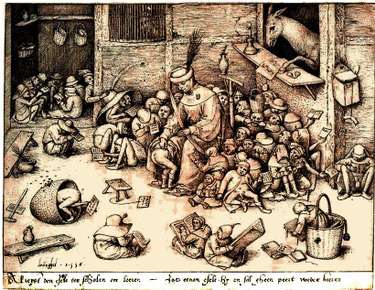
The Feast of Fools was perhaps inspired by the Roman festivities of Saturnalia, which were very similar. Saturnalia parties celebrated the Roman god Saturn and also featured a reversal of societal roles. A mock king was crowned and slaves were free to do what they pleased for a day.
Roman Roots
Not The Only Huge Winter Party
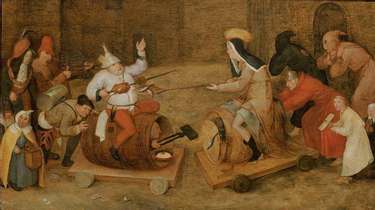
The Feast of Fools was not the only massive wintertime party. They were many parties celebrated throughout late December and early January, and celebrations of Carnivale date back to those times as well. It looks like we’re not the only ones who love going all out during that time of the year.
Not The Only Huge Winter Party