


The Bermuda Triangle is commonly known as the ‘Devil’s Triangle.’ Dozens of planes and ships have disappeared while crossing this undetermined location in the Atlantic Ocean over the past 200 years. In most cases, nobody understands what happened to these vessels. Nonetheless, there has to be a logical explanation for these mysterious occurrences. Well, it seems researchers at the University of Southampton in England have found evidence explaining why these events take place in the Bermuda Triangle. Continue reading to find out what these researchers found. The evidence is bound to shock you!
Defining the Area
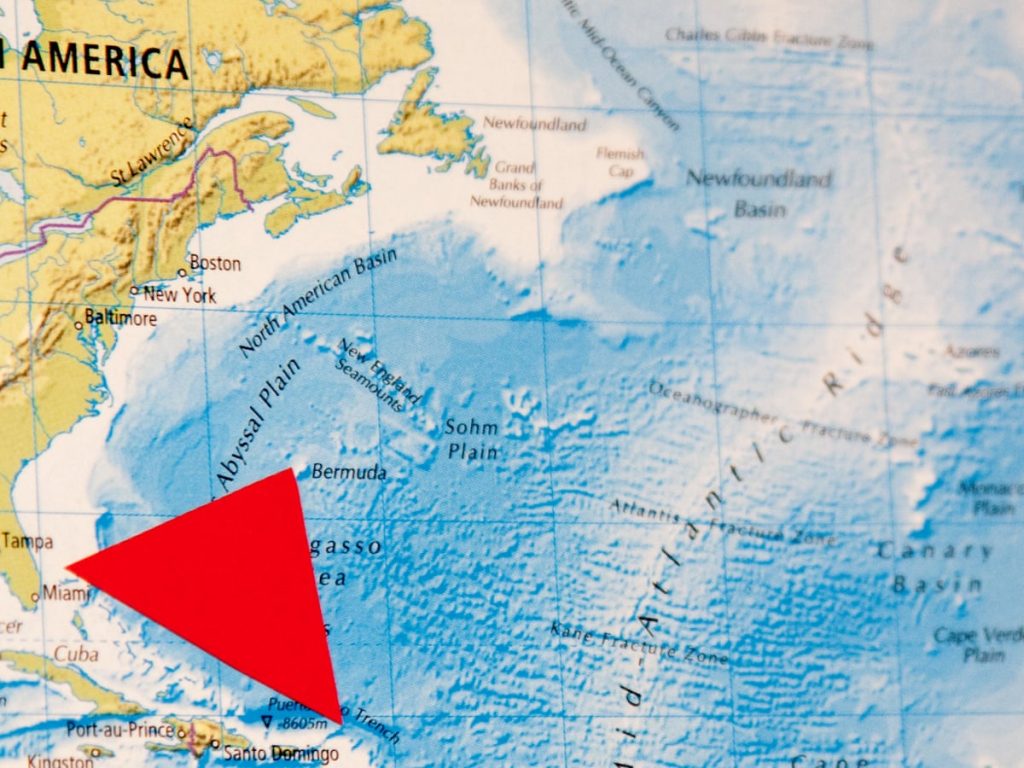
The first phase of this study was to define the area commonly known as the Bermuda Triangle. Many individuals have stated that it’s 500,000 square miles while others believe this area to be 1,510,000 square miles. Nonetheless, it connects Puerto Rico, Miami, and Bermuda.
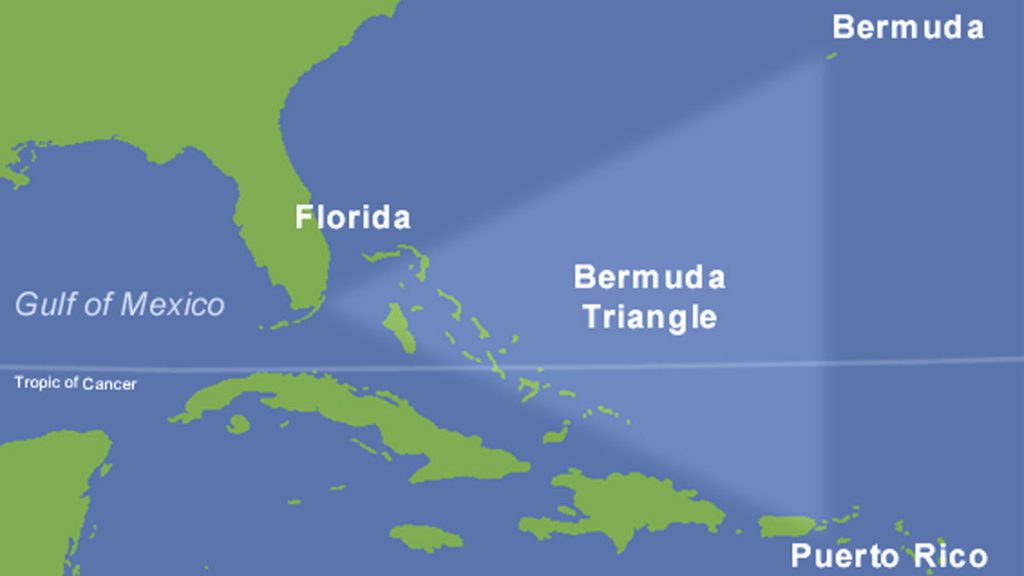
Defining The Area
Something Terrifying
Something terrifying occurs when vessels attempt to travel through this specific corner on the planet. In many instances, planes and ships have vanished without a trace, which has fascinated people for so long.
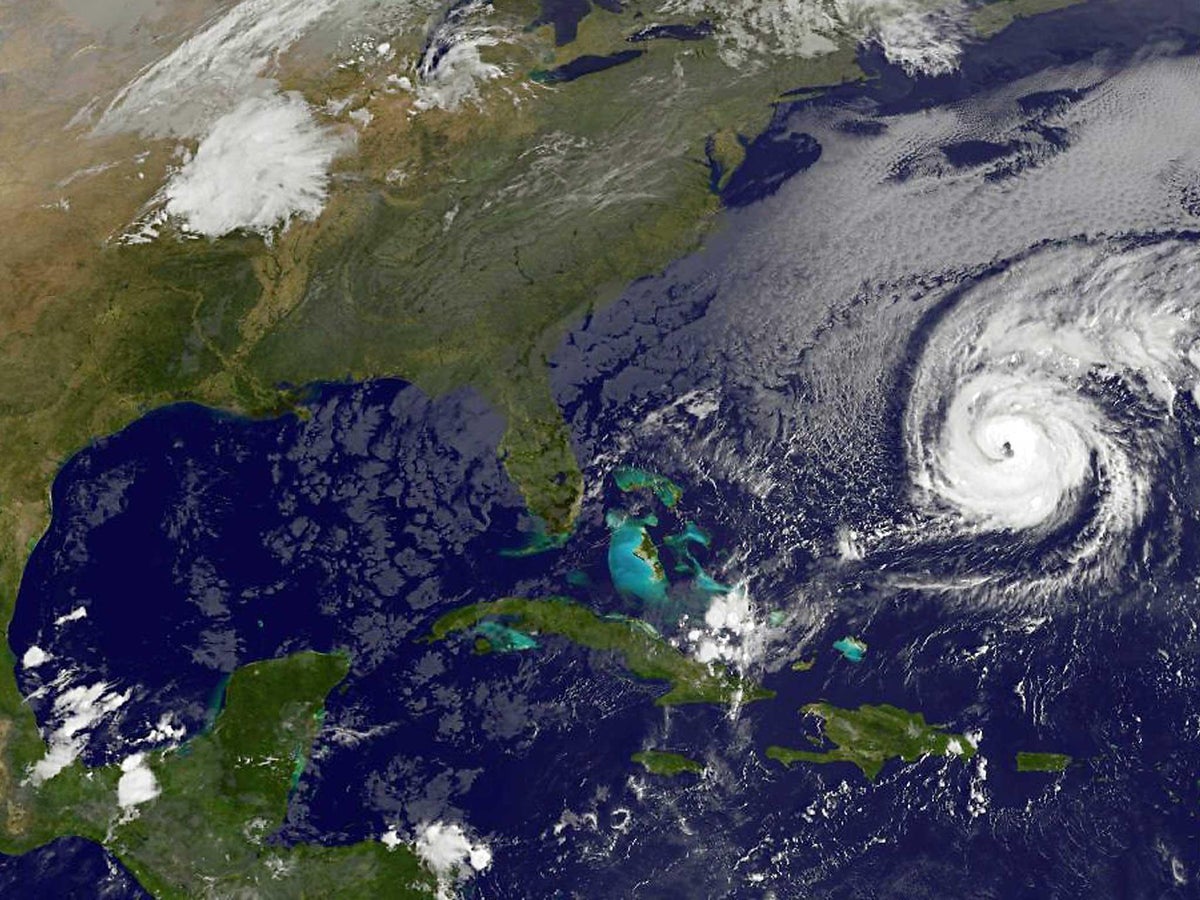
Something Terrifying
Christopher Columbus
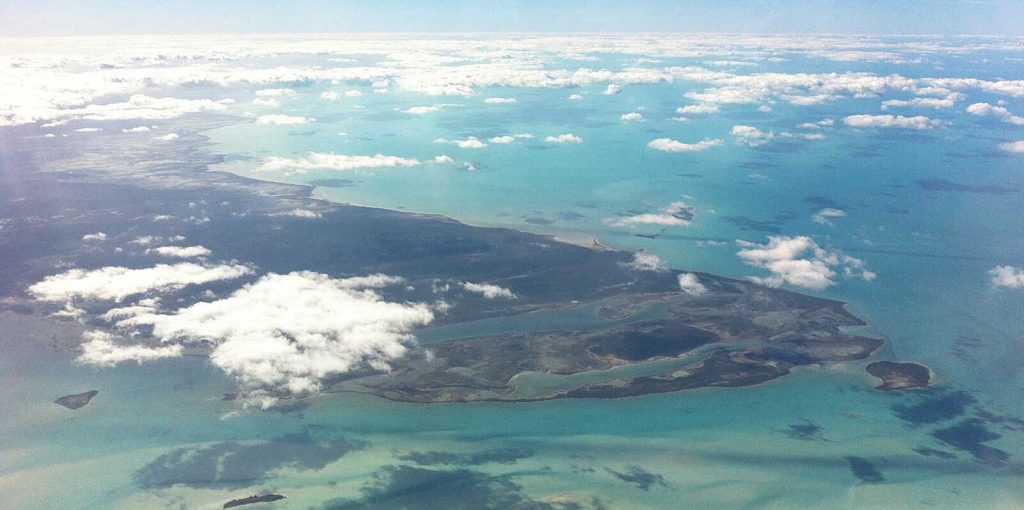
This mystery is believed to date back to Christopher Columbus while he was conducting his oceanic journeys. Columbus wrote in his journal that his compasses went askew while he was in this area. He also spotted strange lights.
Christopher Columbus
The USS Cyclops
Nonetheless, this isn’t the only weird event. A ship with 309 people on board, USS Cyclops, set sail from Barbados in March 1918. The trip began as planned, but the vessel and all those aboard vanished while crossing through the triangle.
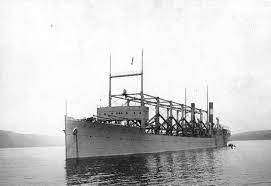
The USS Cyclops
Five Avenger Torpedo Bombers
Five Avenger torpedo bombers had set off for a post-WWII training session on December 5, 1945. The crew had flown over the Atlantic Ocean and crossed into the triangle. After this, they were never seen again.
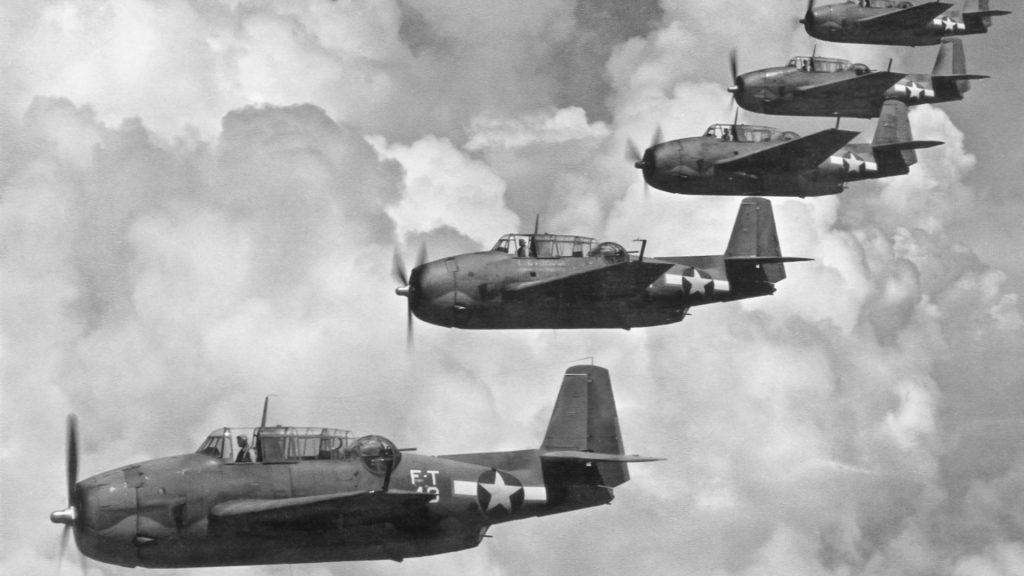
Five Avenger Torpedo Bombers
Sparking Imaginations
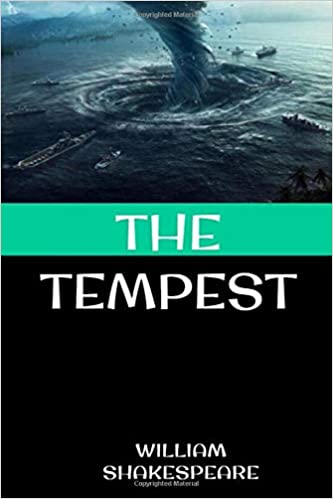
A search crew was released to locate these bombers. However, they disappeared as well. All of these strange events have sparked writers’ imaginations for years. It’s even believed that a triangle-related shipwreck in 1610 inspired William Shakespeare’s The Tempest.
Sparking Imaginations
Argosy Magazine
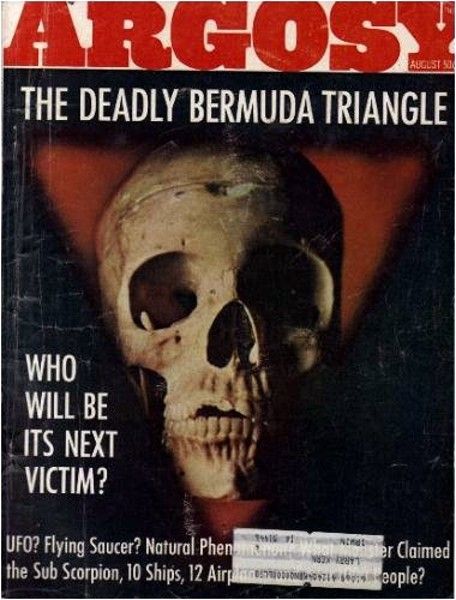
For the 1964 issue of Argosy magazine, Vincent Gaddis wrote ‘The Deadly Bermuda Triangle.’ In this compelling article, Gaddis linked the 1945 disappearance of these Avenger bombers with other weird occurrences in the triangle.
Argosy Magazine
Demanding More
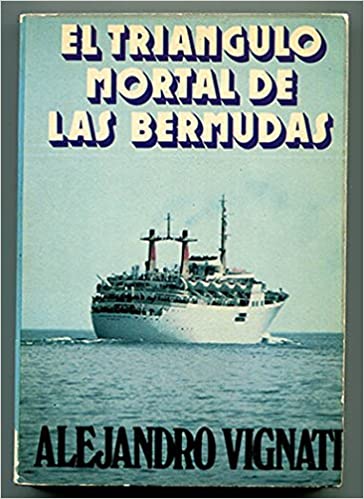
The popularity behind this article led to Gaddis releasing a book called ‘Invisible Horizons.’ Nonetheless, the craze didn’t stop. People kept demanding more about this mysterious area that haunted the ocean.
Demanding More
Eerie Events
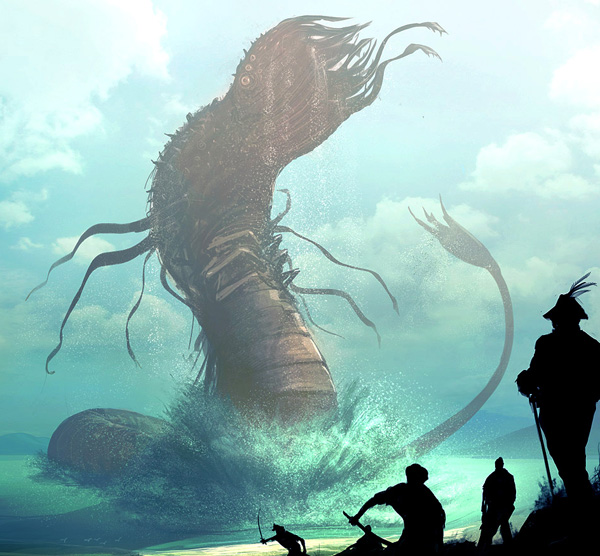
Thousands of theories were formed about what could be the reason for these eerie events taking place. A common theory was that massive sea creatures were responsible for these strange occurrences.
Eerie Events
Outlandish Theories
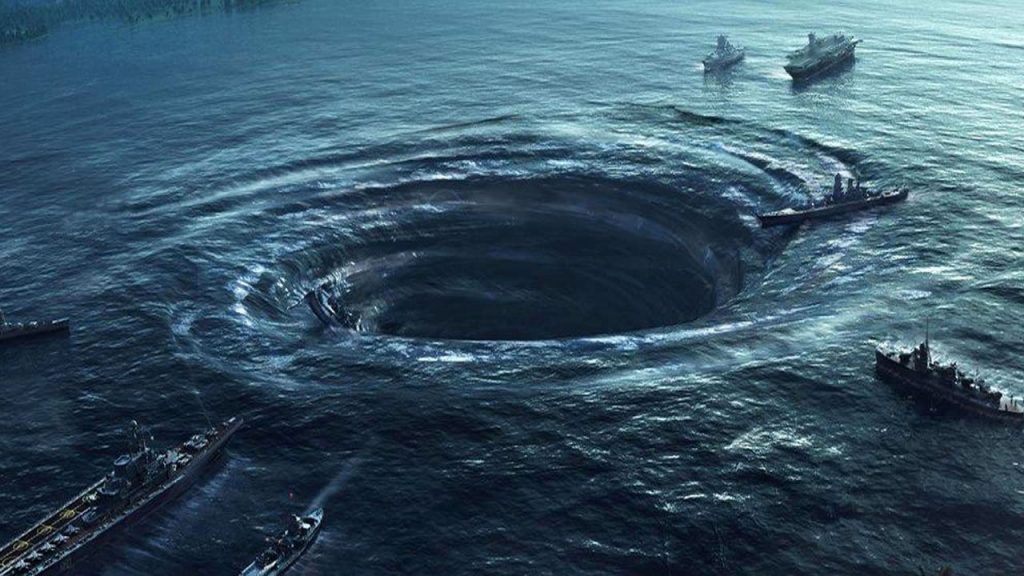
By the time researchers from Southampton decided to find a reason for these events, they had their work cut out for them. They first needed to dismiss the outlandish theories that had been formed by the public.
Outlandish Theories
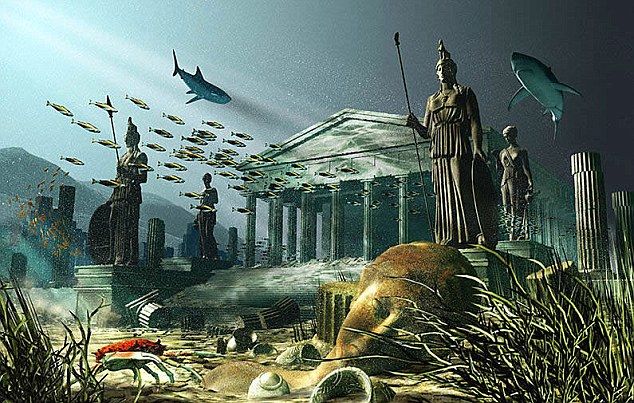
Atlantis
One conspiracy theory was that the Lost City of Atlantis was situated beneath the Bermuda Triangle. It was believed that the advanced technology of the Atlanteans remained operational and was the cause for vessels disappearing into the realm.
Atlantis
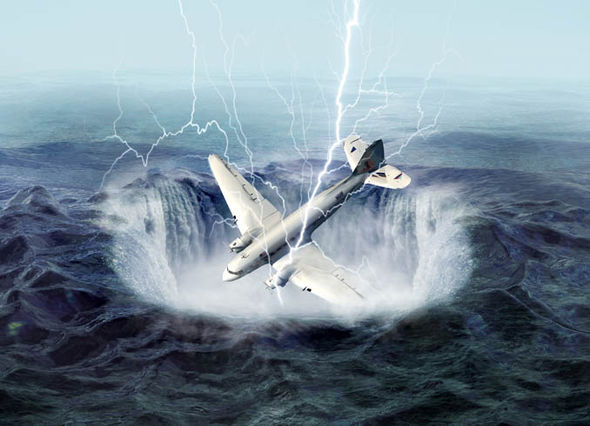
A Wormhole
Conspiracy theorists also believed that there was an actual wormhole where the triangle is. This is where the space-time continuum had little relevance, which resulted in objects being transported to alternative dimensions.
A Wormhole
Aliens or Sea Beasts
Although these theories are intriguing to discuss, the truth behind the bizarre occurrences in the Bermuda Triangle has nothing to do with sea beasts or aliens. Instead, the scientists and researchers in England believe they have an answer to this madness.
Aliens Or Sea Beasts
The Issue
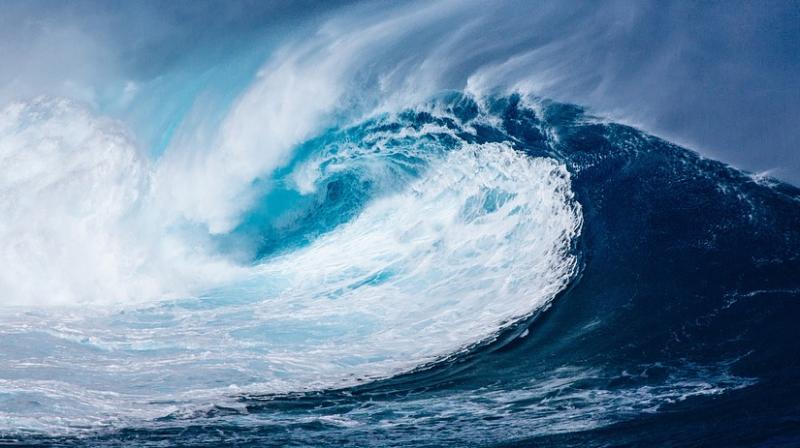
These bright minds at the University of Southampton, England, have extensively studied the events taking place in the Bermuda Triangle. After conducting much research, they believe that it’s the water to blame.
The Issue
Rogue Waves
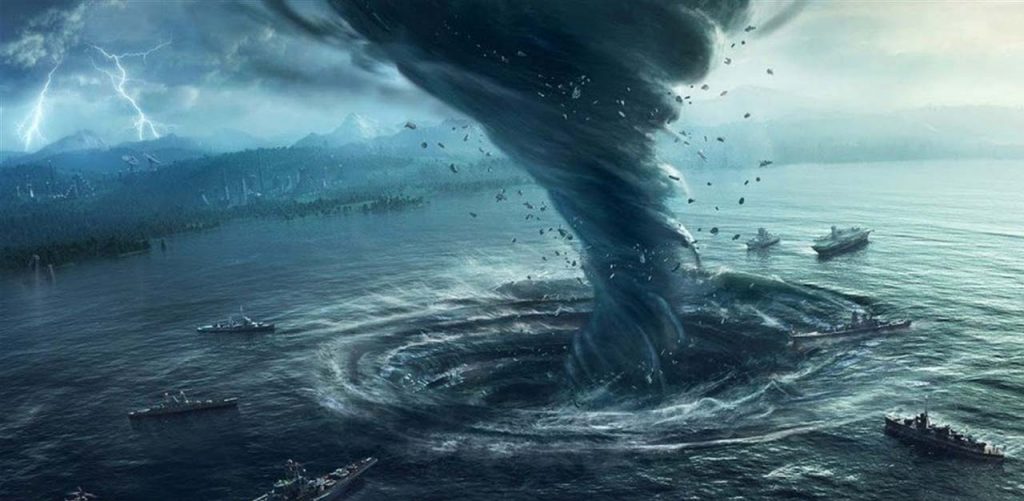
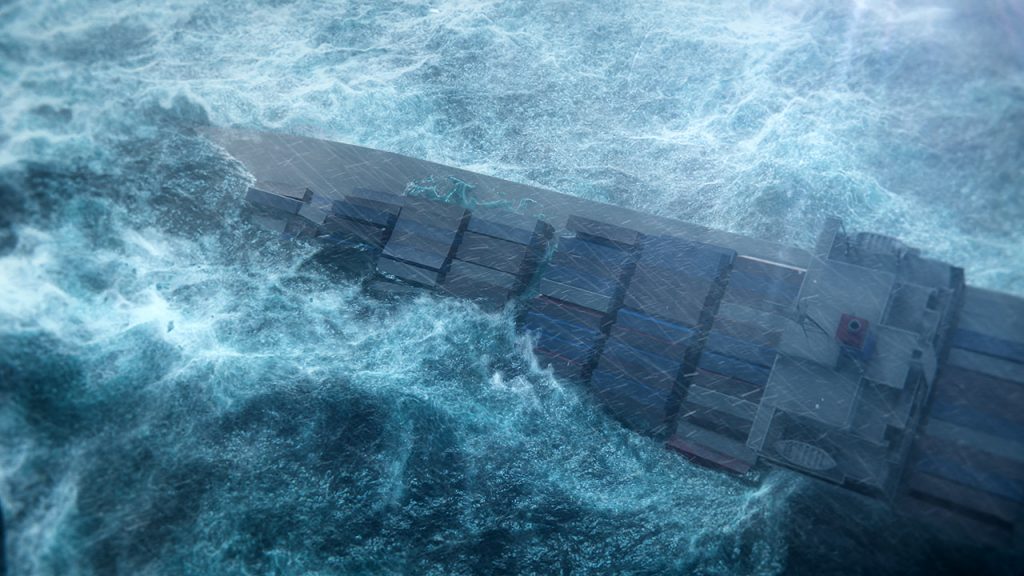
The team of researchers explained that the rogue waves found in this region are the likely cause behind the numerous disappearing ships over the years. These waves are believed to originate when three massive storms from various directions collide, resulting in tsunami-like waves.
Rogue Waves
Sheer Power
Researchers believe that the waves tower over everything in the ocean and make it impossible to avoid. The sheer power of such waves crushes the vessels and sends these ships directly to the bottom of the ocean.
Sheer Power
Strange Secrets
Dr. Simon Boxall has stated that the larger the vessel is, the more damage is done. The rogue water peaks at either end, which causes the boat to snap in two. Nonetheless, the US Coast Guard deems this area safe to travel through.
Strange Secrets
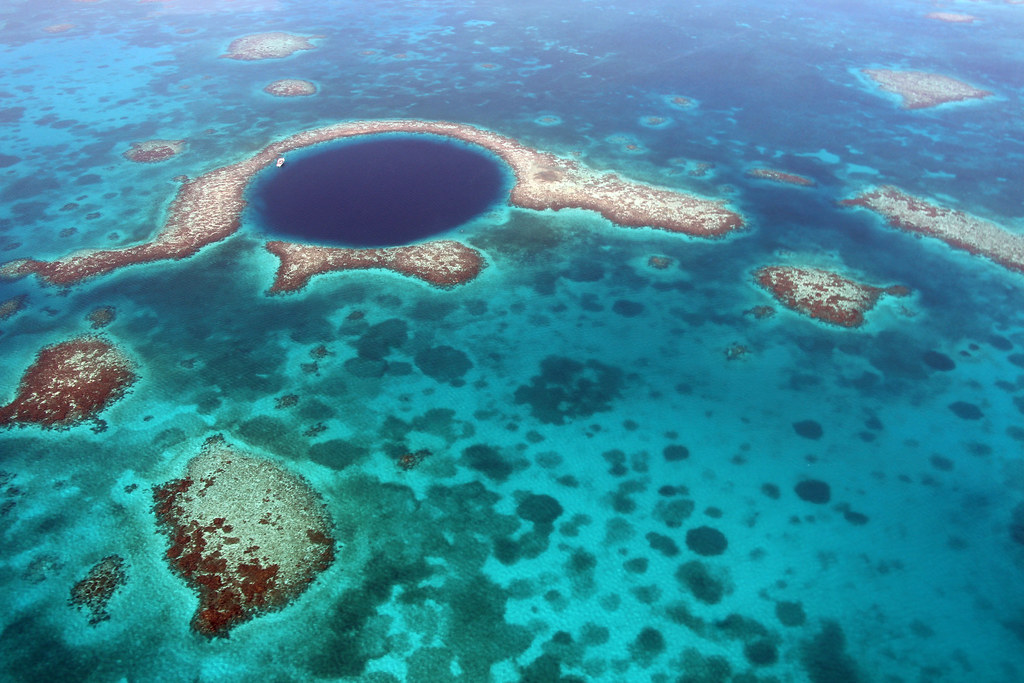
The Great Blue Hole
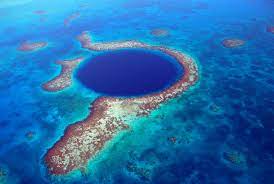
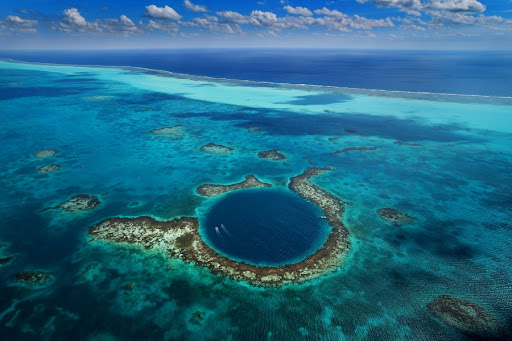
The paranormal happenings are fun to imagine and discuss. Yet, Earth’s waters hold strange secrets. One of these is the Great Blue Hole, which is located almost 40 miles off the coast of Belize City. It was once considered the biggest of its kind sitting at over 1,000 feet across.
The Great Blue Hole
World Heritage Site
The hole is located at the Lighthouse Reef’s center, which is one of the various tiny atolls making up the world’s second-biggest coral reef system, behind the Great Barrier Reef. That’s why the Great Blue Hole is recognized as a UNESCO World Heritage Site.
World Heritage Site
Jacques Cousteau
Even though researchers have known about this hole since the mid 20thcentury, nobody truly appreciated it until Jacques Cousteau, famed marine explorer, finally took a trip to the site in 1971. The world then took note of its magnificence.

Jacques Cousteau
Confirming
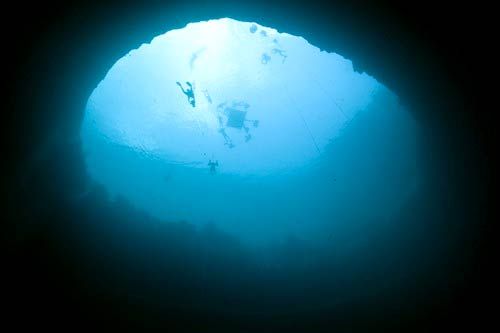
At this time, Jacques used a mobile lab aboard his vessel, the Calypso, to measure the depth of the hole. It was believed to have a depth of 407 feet. An expedition by the Cambrian Foundation in 1991 confirmed this French adventurer’s measurement.
Confirming
Scuba Spot
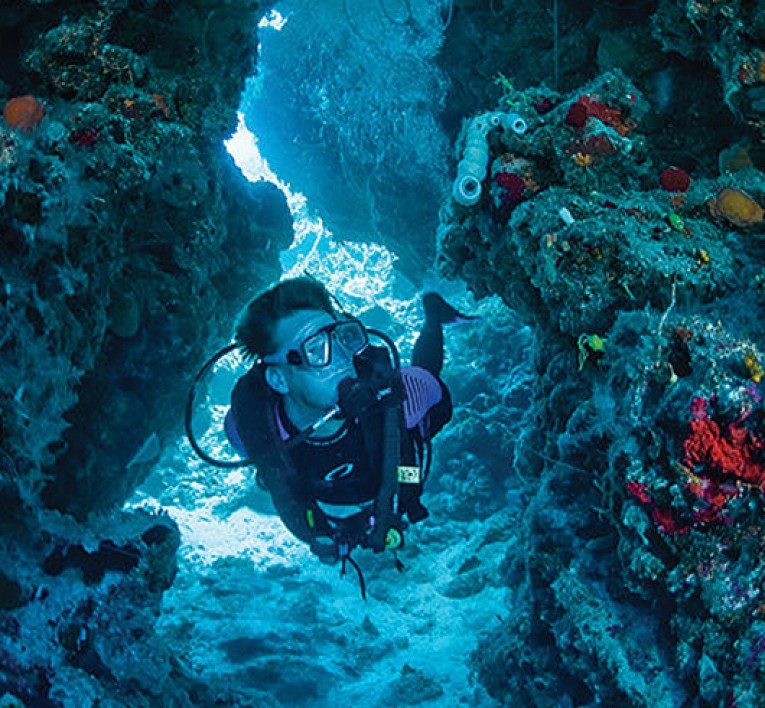
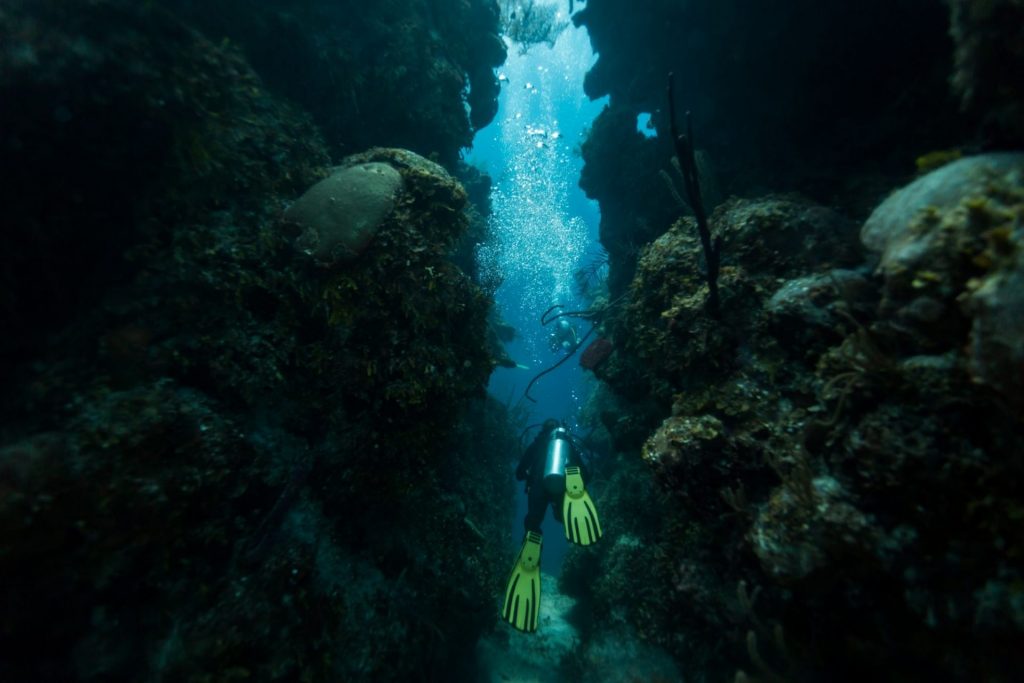
Since Cousteau explored this site, the Great Blue Hole has become a popular scuba spot for professional divers. Many of these divers believe it to be one of the best reefs in the world. Despite its popularity, people still understand very little about this massive cavern.
Scuba Spot
What It Contains
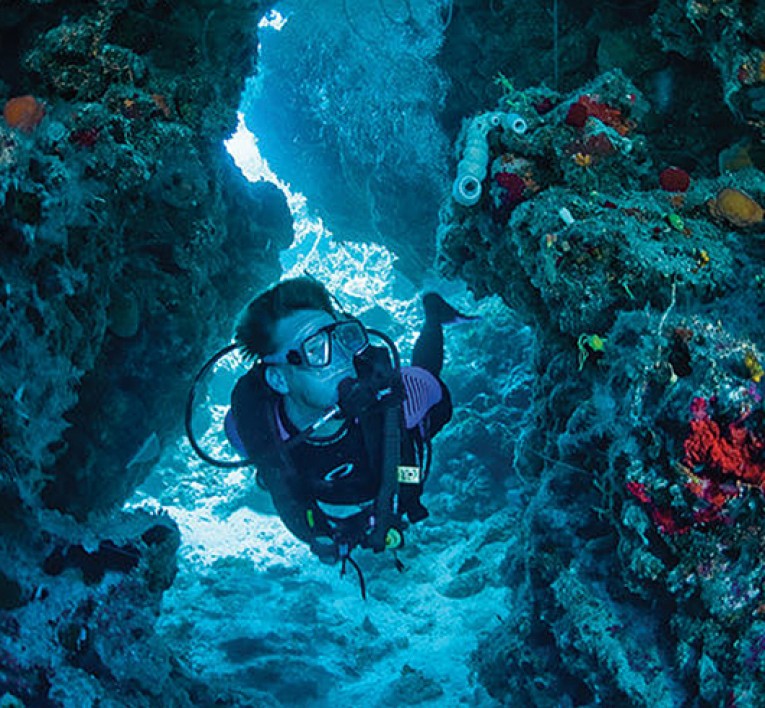
Even though it isn’t the world’s biggest marine sinkhole, as China’s Dragon Hole takes the title, it is still massive. The Great Blue Hole is large enough to fit two Boeing 724 airplanes while having plenty of room to spare. Its vast size makes it difficult to understand what it contains.
What It Contains
Unveiling the Mysteries
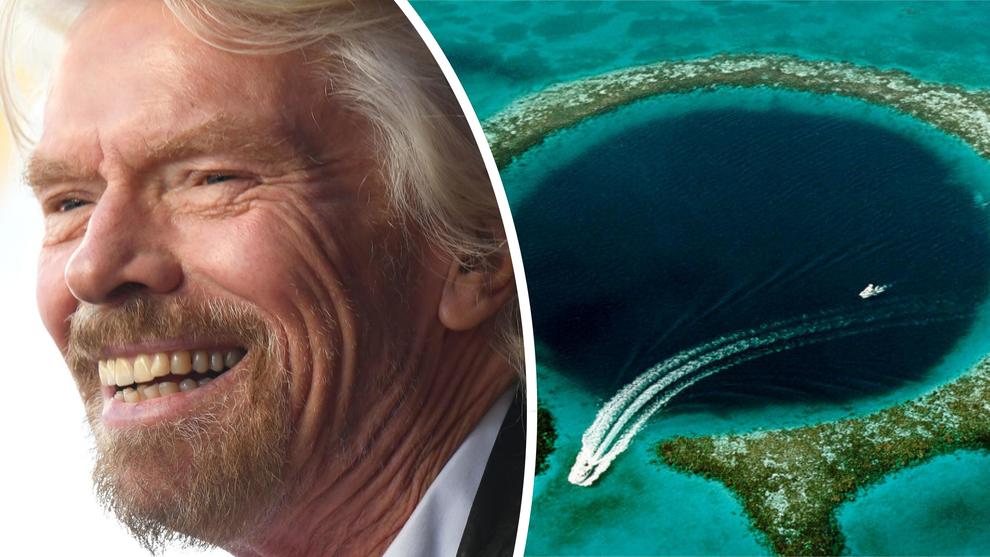
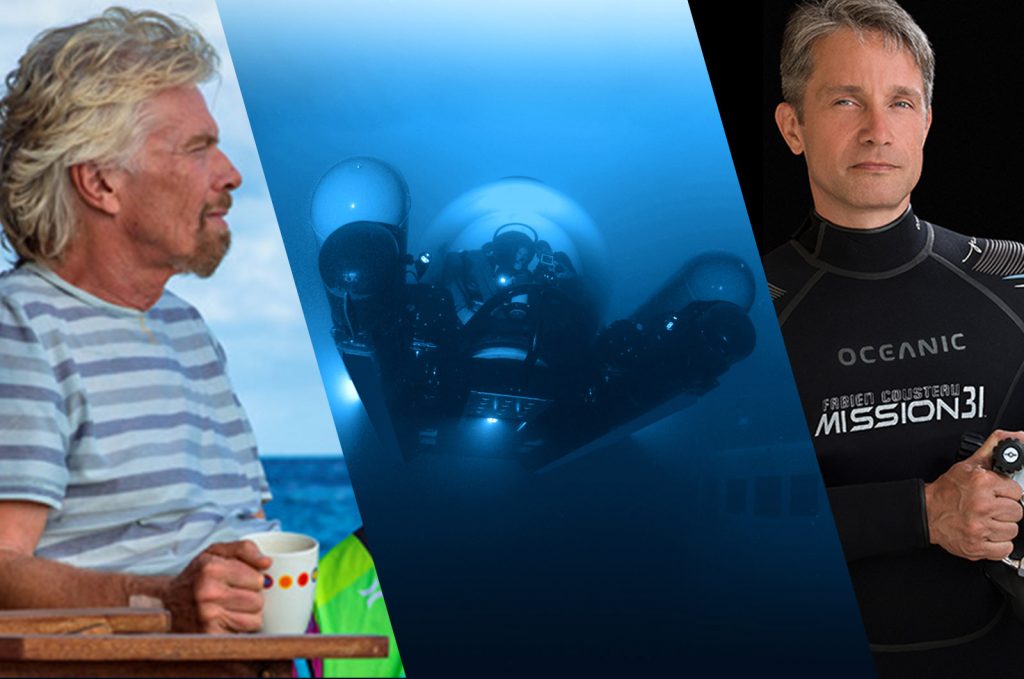
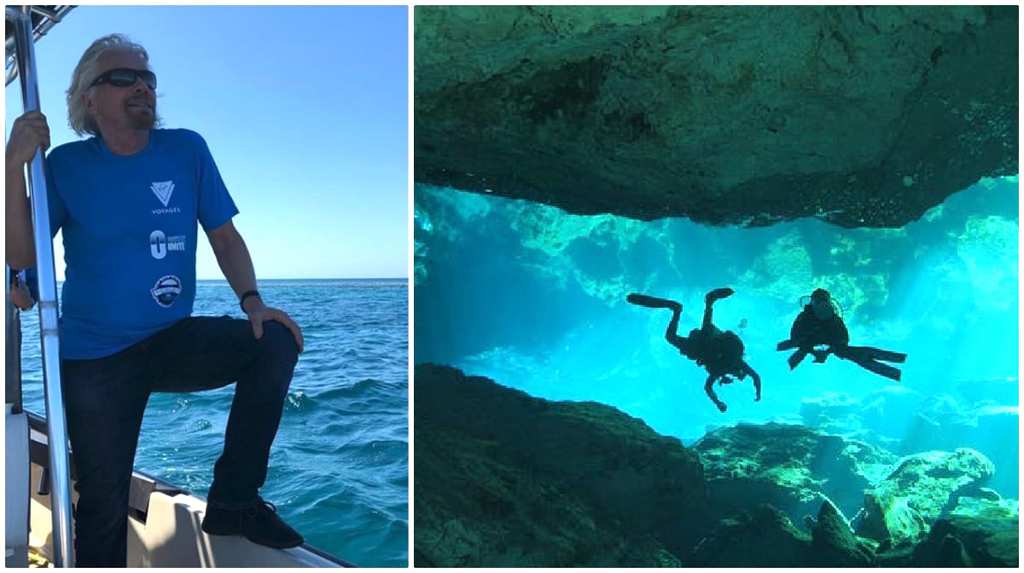
Fueled by his fervent support for marine conservation and adventurous spirit, Virgin Group founder and English entrepreneur, Richard Branson, has dedicated a large portion of his time to unveiling the mysteries of this hole.
Unveiling The Mysteries
Joining Forces
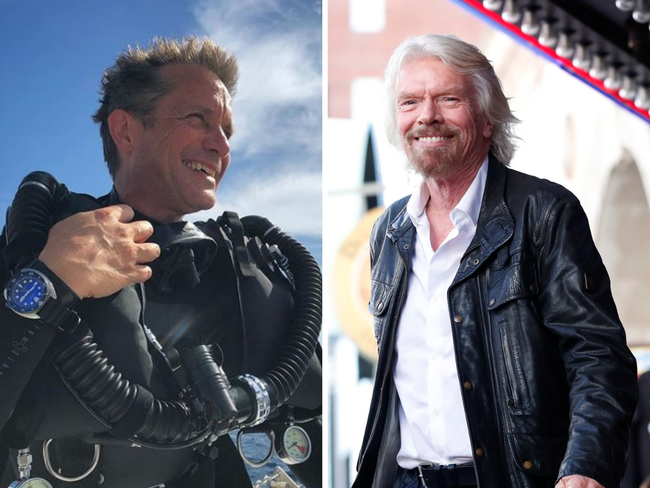
Although Branson has many years of discoveries and adventures to his credit, he needed additional help. That’s when he joined forces with Fabien Cousteau, the grandson of Jacques. The two men hoped to finish what Jacques had started.
Joining Forces
3D Imaging
The primary goal of this expedition was to get a better idea of the hole with the use of state-of-the-art 3D imaging. This technology would provide them with the tools to develop a comprehensive map detailing the sinkhole’s interior.
3D Imaging
Aquatic Life
Along with mapping the sinkhole, the men wanted to test the oxygen levels and water quality found within the Great Blue Hole. This would provide them with a sense of what type of aquatic life they could expect.
Aquatic Life
The Dead Zone
Moreover, these men were adamant to explore an oxygen-depleted area called a dead zone. Cousteau and Branson believed this zone to be at the base of the sinkhole. However, why were they so interested in exploring an area with such conditions?
The Dead Zone
Preserved Life
If their theory was correct, it could uncover clues linked back to the Mayan civilization. In this dead zone (or anoxic area) close to the bottom, items don’t degrade. That’s why there was a possibility these explorers would find preserved life.
Preserved Life
Crushed by Water Pressure
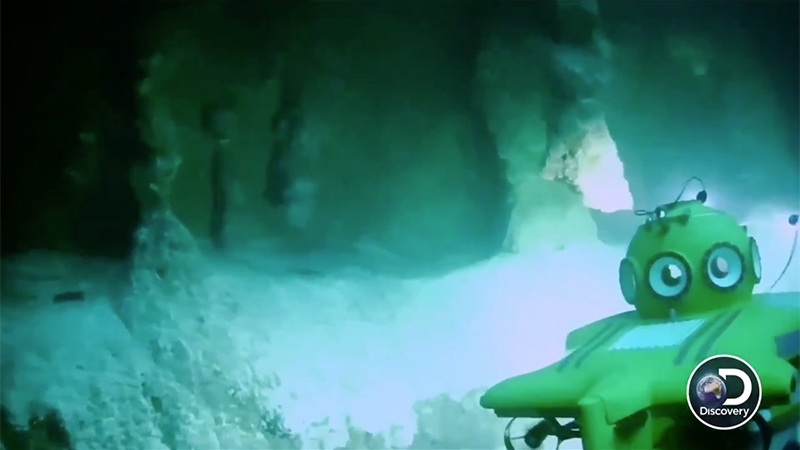
Although the men had planned to explore this sinkhole, they were met with one massive issue. Most humans can’t dive more than 130 feet before being crushed by water pressure. This problem needed to be overcome before they could venture below the surface.
Crushed By Water Pressure
Captain Erika Bergman
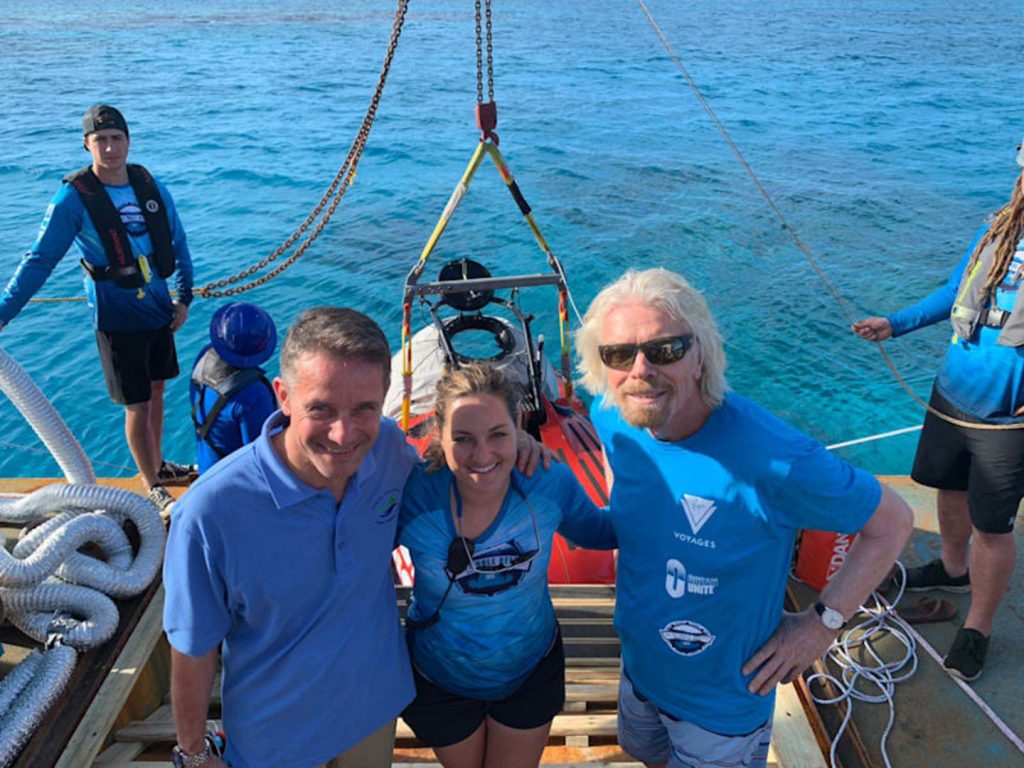
Fortunately, the explorers got in touch with Captain Erika Bergman. The team could dive to depths of more than 500 feet aboard her high-tech STINGRAY 500. Moreover, it would be possible to simultaneously capture HD recordings of this adventure.
Captain Erika Bergman
Lighthouse Reef
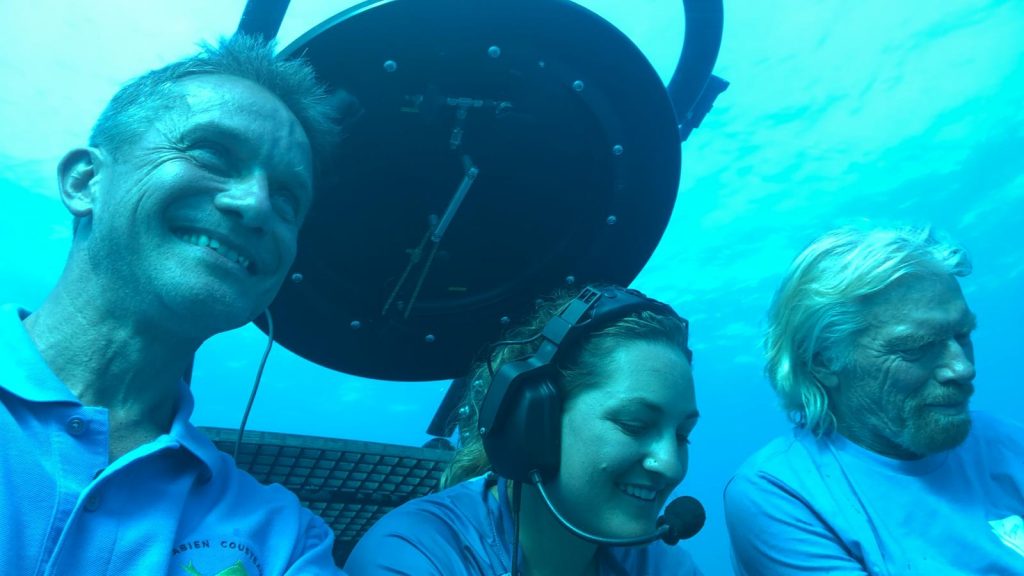
After carefully planning this exploration, a team of cinematographers with Bergman, Branson, and Cousteau began their adventure to Lighthouse Reef on December 2nd. This exploration was being broadcasted to viewers across the world.
Lighthouse Reef
Darkness
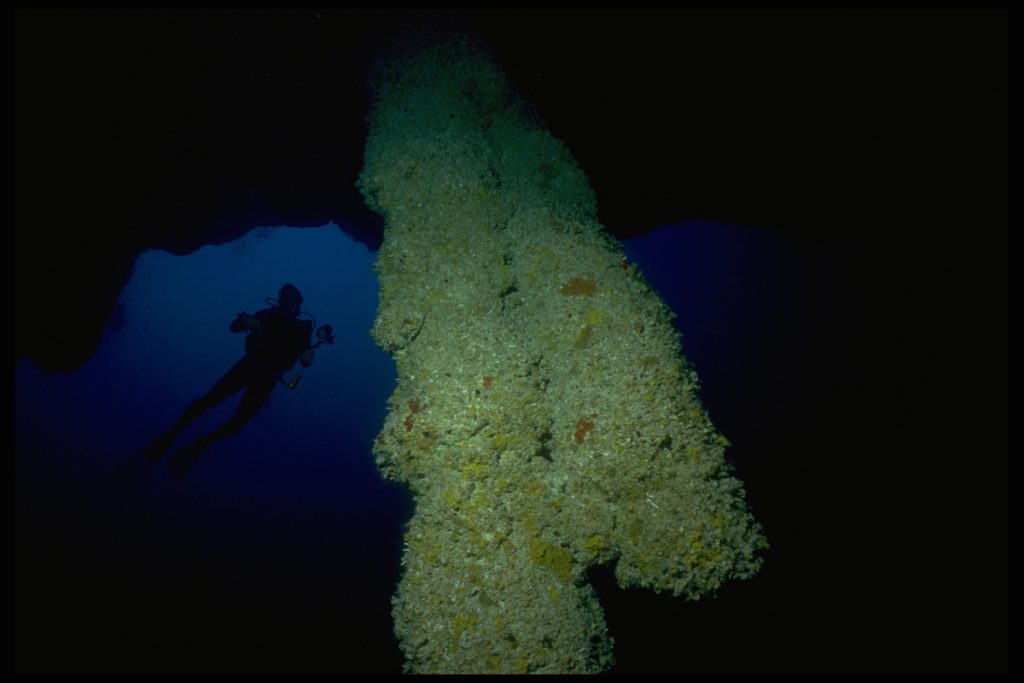
Although the water of the Great Blue Hole looks clear, the depths are the polar opposite. The team was met with complete darkness as they continued traveling deeper into the hole. They were unaware of what they were about to see.
Darkness
Sharks
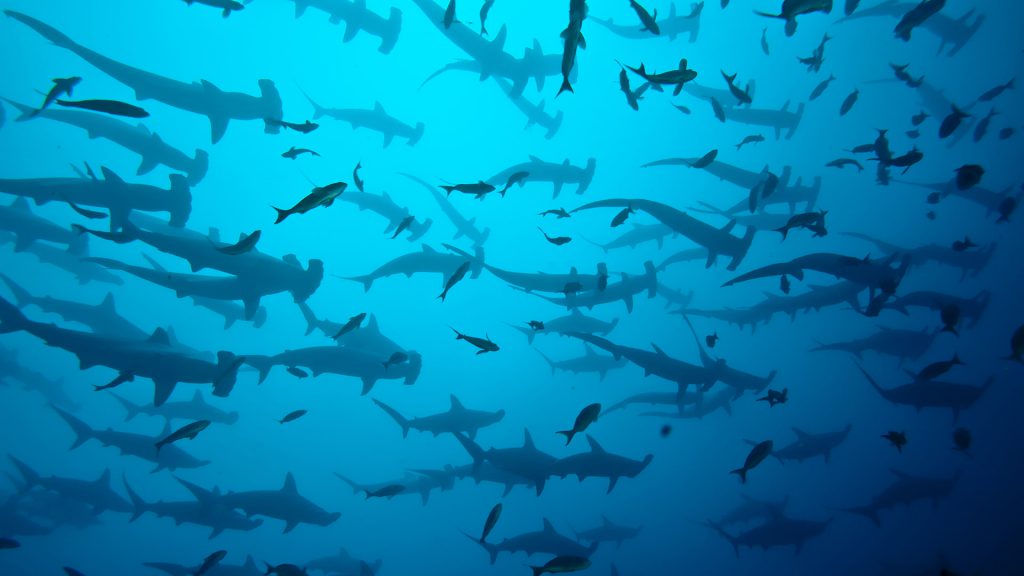
Various fish kept pace with the team. Many ranged from common ocean dwellers while some of the team spotted more exotic species like the Midnight Parrotfish. They also kept their eyes peeled for aggressive bull sharks and hammerheads that were known to prowl these waters.
Sharks
Mapping the Hole
The team immediately began mapping the hole’s dimensions as soon as the vessel arrived at the cavern’s floor. However, Branson and other members of the team noticed an odd opening after mere minutes of mapping.
Mapping The Hole
A Strange Opening
As the group approached the opening, they noticed the true treasure of this exploration. This discovery would have meant nothing if they stumbled upon this feature in a typical cave system. However, finding it at this depth underwater was unprecedented.
A Strange Opening
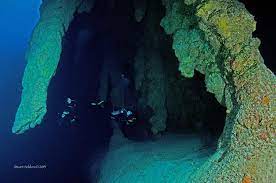
Stalactites
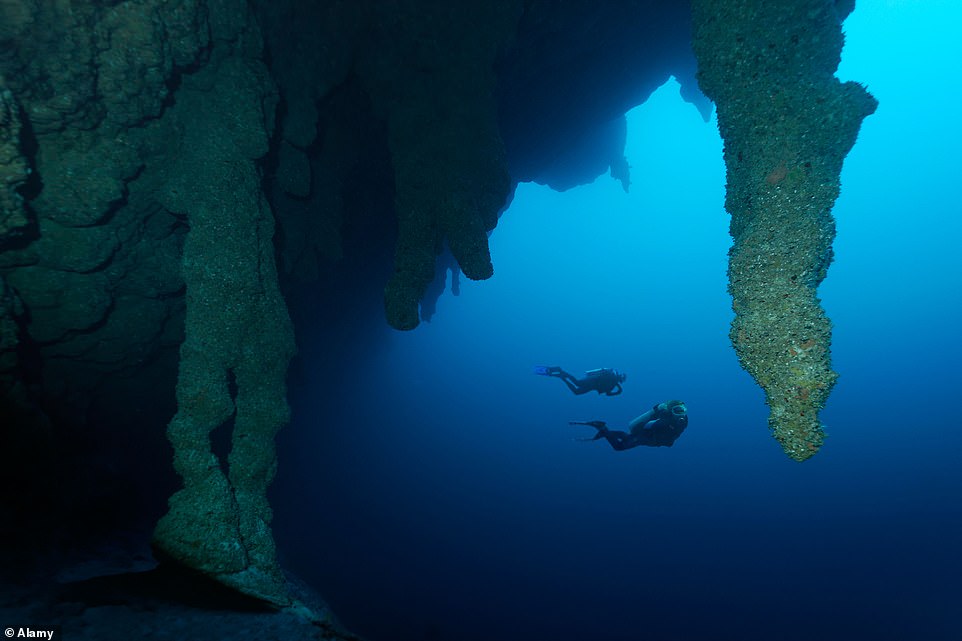
They had found stalactites! From the tests that the team ran on these rock formations, the stalactites they had found were more than 150,000 years old. What made this discovery even more extraordinary is that these stalactites only form in dry caves.
Stalactites
Something Remarkable
The remarkable discovery these explorers found showed that the Great Blue Hole was once part of a larger cave system. This cave system was likely formed on dry land. Although this was an excellent site, it highlighted a bigger issue.
Something Remarkable
Global Warming
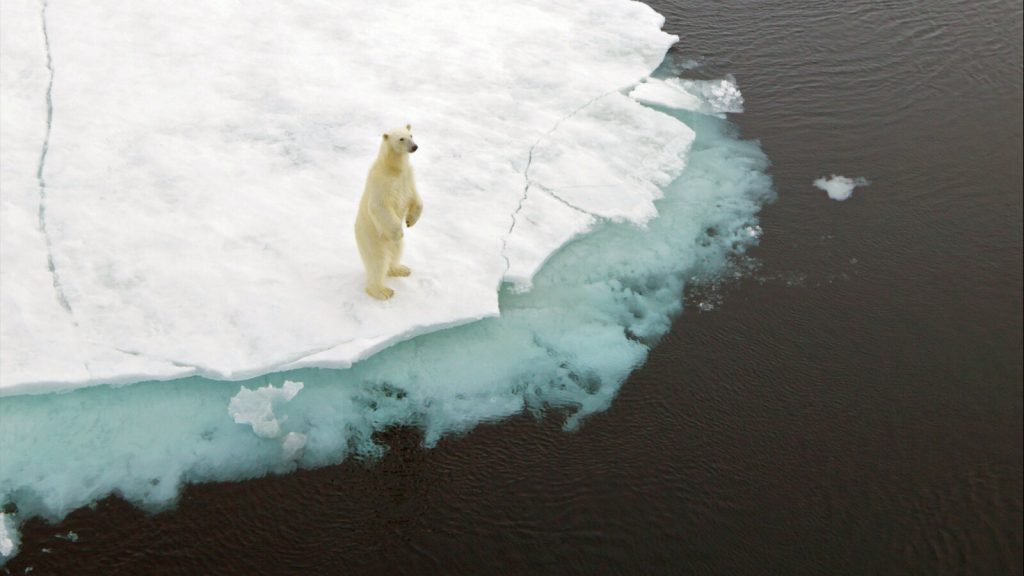
The Great Blue Hole being submerged in water was a clear indication that the gradual warming of Earth is responsible for these rising sea levels. Could this be a sign of what we can expect to encounter as global warming continues to affect our planet?
Global Warming
Protecting the Oceans
This is what Richard Branson and his team believe. That’s why he has helped in the effort to protect at least 30 percent of our oceans by the end of 2030. Now seems like the best time to ensure the ocean remains covering two-thirds of our planet’s surface, and not more.

Protecting The Oceans